

Simba 3.0
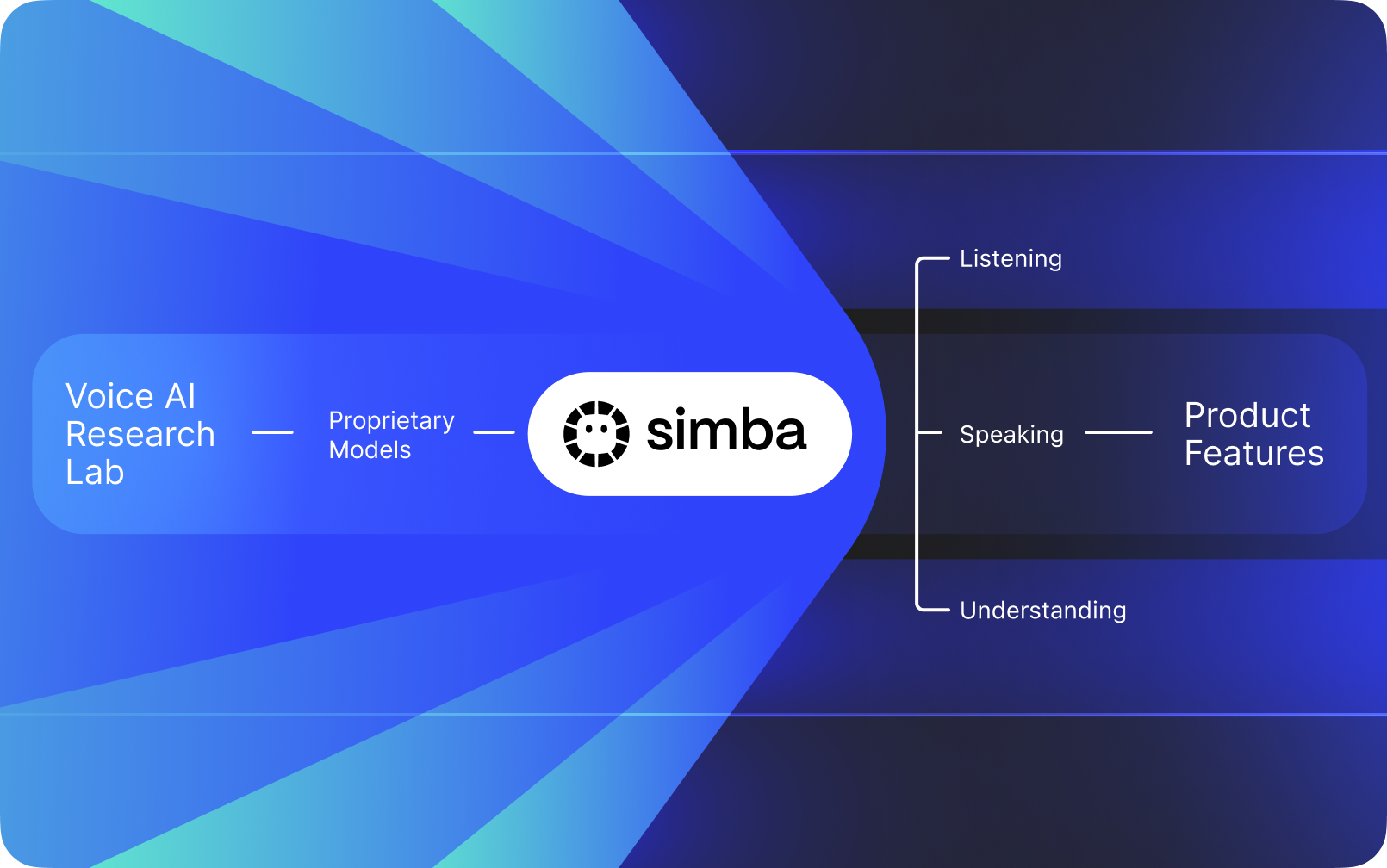
Speechify presenterar Simba 3.0 i tidig lansering, företagets senaste produktionsklara modell för Voice AI, nu tillgänglig för utvalda tredjepartsutvecklare via Speechify Voice API. Bred lansering planeras till mars 2026. Simba 3.0 är utvecklad av Speechifys AI-forskningslabb och erbjuder högkvalitativ text-till-tal, tal-till-text och tal-till-tal som utvecklare enkelt kan integrera i sina egna appar och plattformar.
“Simba 3.0 är byggd för verkliga produktionsflöden med fokus på stabilitet i långa format, låg latens och pålitlig prestanda i stor skala. Vårt mål är att ge utvecklare röstmodeller som är enkla att integrera och kraftfulla nog för riktiga applikationer från dag ett”, säger Raheel Kazi, teknikchef på Speechify.
Speechifys egen röststack
Speechify är inte en rösttjänst byggd ovanpå andras AI. Företaget driver ett eget AI-forskningslabb för att utveckla egna röstmodeller, som säljs till tredjepartsutvecklare via Speechify API. Modellerna kan integreras i allt från AI-receptionister och kundtjänstbotar till innehållsplattformar och tillgänglighets-verktyg.
Speechify använder samma modeller i sina egna konsumentprodukter och ger också utvecklare tillgång till dem via Speechify Voice API. Kvalitet, latens, kostnad och framtida utveckling styrs därför av Speechifys eget forskningsteam – inte av externa leverantörer.
Speechifys röstmodeller är särskilt utvecklade för produktion och levererar branschledande kvalitet i stor skala. Tredjepartsutvecklare får tillgång till Simba 3.0 och andra Speechify-modeller via Voice API med färdiga REST-endpoints, komplett dokumentation, snabbstartsguider och officiella Python- och TypeScript-SDK:er. Plattformen är byggd för snabb integration, produktionsdrift och skalbar röstinfrastruktur – från första API-anrop till livefunktioner.
Vad innebär det att kalla Speechify ett AI-forskningslabb?
Ett AI-labb är en forsknings- och ingenjörsorganisation där experter inom maskininlärning, data och modellering samarbetar för att utveckla, träna och leverera avancerade intelligenta system. När man säger “AI Research Lab” menar man oftast en organisation som gör två saker samtidigt:
1. Utvecklar och tränar egna modeller
2. Gör modellerna tillgängliga för utvecklare via API:er och SDK:er
Vissa organisationer är duktiga på att bygga modeller men erbjuder dem inte till andra utvecklare. Andra erbjuder API:er men bygger främst på tredjepartsmodeller. Speechify har en vertikalt integrerad Voice AI-stack – företaget bygger egna röstmodeller, gör dem tillgängliga via API:er och använder dem också i sina egna produkter för att verifiera kvaliteten i verkliga användningsfall.
Speechifys AI-forskningslabb är en intern organisation med fokus på röstintelligens. Uppdraget är att driva utvecklingen av text-till-tal, automatisk taligenkänning och tal-till-tal-system så att utvecklare kan bygga röstbaserade tjänster för alla tänkbara användningsområden, från AI-receptionister och röstagenter till uppläsning och tillgänglighet.
Funktioner i ett Voice AI-forskningslabb
Ett riktigt Voice AI-labb behöver vanligtvis lösa:
- Text-till-tal
- -kvalitet och naturlighet för produktionsdrift
- Noggrannhet i tal-till-text och ASR för olika dialekter och bullernivåer
- Realtidslatens för samtal med AI-agenter
- Stabilitet i långa format för längre lyssning
- Dokumentförståelse för att tolka
- PDF:er
- ,
- webbsidor
- och strukturerat innehåll
- OCR och sidtolkning för inskannade
- dokument
- och bilder
- Feedbackloopar från produkter som förbättrar modellerna över tid
- Utvecklarinfrastruktur som exponerar röstfunktioner via API:er och SDK:er
Speechifys AI-forskningslabb bygger de här systemen som en sammanhållen arkitektur och gör dem tillgängliga för utvecklare via Speechify Voice API, för integration i alla typer av applikationer.
Vad är Simba 3.0?
Simba är Speechifys egen AI-röstmodellserie som både driver företagets egna produkter och erbjuds till tredjepartsutvecklare via Speechify API. Simba 3.0 är den senaste generationen, optimerad för röstprestanda i realtid och redo att integreras i andras plattformar.
Simba 3.0 är skapad för att leverera röstkvalitet på högsta nivå, låga svarstider och stabilitet i längre lyssningssessioner, vilket gör det möjligt för utvecklare att bygga professionella röstapplikationer för många olika branscher.
Vanliga användningsområden för Simba
För tredjepartsutvecklare möjliggör Simba 3.0 användningsområden som:
- AI-röstagenter och konversationssystem
- Kundtjänstautomation och AI-receptionister
- Utgående samtalssystem för sälj och service
- Röstassistenter och tal-till-tal-appar
- Innehållsuppläsning och produktion av ljudböcker
- Tillgänglighetsverktyg och hjälpmedel
- Utbildningsplattformar med röststyrd inlärning
- Vårdappar där empatisk röstinteraktion krävs
- Flerspråkig översättning och kommunikationsappar
- IoT och bilsystem med röststyrning
Vad innebär det att Simba låter mänsklig?
När användare säger att en röst ‘låter mänsklig’ beskriver de flera tekniska faktorer som samverkar:
- Prosodi (rytm, tonhöjd, betoning)
- Tempo anpassat efter meningen
- Naturliga pauser
- Stabilt uttal
- Intonationsskiften utifrån grammatik
- Neutral ton när det behövs
- Uttrycksfullhet när det passar
Simba 3.0 är modellagret som utvecklare integrerar för att skapa naturliga röstupplevelser även vid hög hastighet, långa sessioner och många olika innehållstyper. För produktionsbruk, från AI-telefonsystem till innehållsplattformar, är Simba 3.0 optimerad för att överträffa generella röstlager.
Hur använder Speechify SSML för exakt röstkontroll?
Speechify stödjer Speech Synthesis Markup Language (SSML), vilket gör att utvecklare kan styra exakt hur det syntetiserade talet låter. SSML gör det möjligt att justera tonhöjd, talhastighet, pauser, betoning och stil genom att lägga till <speak>-taggar och använda stöd för taggar som prosody, break, emphasis och substitution. Det ger team kontroll över leverans och struktur, och hjälper röstresultatet att bättre spegla avsikt, kontext och formatering i produktion.
Hur levererar Speechify ljudströmning i realtid?
Speechify har ett strömmande text-till-tal-endpoint som levererar ljud i delar så snart det genereras, vilket möjliggör omedelbar uppspelning i stället för att vänta på hela ljudfilen. Detta passar långa och latenskänsliga användningsfall – t.ex. röstagenter, hjälpmedel, automatiserad podcastproduktion och ljudböcker. Utvecklare kan strömma stora indata utöver standardgränser och få råa ljudsegment i format som MP3, OGG, AAC och PCM för smidig integration i realtidssystem.
Hur synkroniserar Speechify text och ljud med hjälp av speech marks?
Speech marks länkar talat ljud till ursprunglig text med tidstämplar på ordnivå. Varje svar innehåller tidsjusterade textstycken som visar när specifika ord börjar och slutar i ljudströmmen. Det möjliggör realtidsmarkering av text, exakta hopp till ord/fraser, användarstatistik och tät synk mellan skärmtext och ljuduppspelning. Utvecklare kan använda den här strukturen för att bygga tillgängliga läsare, inlärningsverktyg och interaktiva lyssnarupplevelser.
Hur stödjer Speechify känslouttryck i syntetiserat tal?
Speechify har Emotion Control via en dedikerad SSML-stiltagg som låter utvecklare ange känslomässig ton i talet. Det går att välja känslor som glad, lugn, bestämd, energisk, ledsen och arg. Genom att kombinera känslotaggar med skiljetecken och andra SSML-kontroller går det att skapa tal som bättre matchar avsikt och kontext – särskilt användbart i röstagenter, wellness-appar, kundtjänstflöden och guider där tonen påverkar användarupplevelsen.
Riktiga utvecklarexempel för Speechifys röstmodeller
Speechifys röstmodeller driver produktionsappar i många branscher. Här är verkliga exempel på hur tredjepartsutvecklare använder Speechify API:
MoodMesh: Känslomässigt intelligenta wellness-appar
MoodMesh, ett välmåendeföretag, integrerade Speechify Text-to-Speech API för att leverera känslomässigt nyanserat tal i guidade meditationer och empatiska konversationer. Med Speechifys SSML-stöd och emotionskontroll kan MoodMesh anpassa ton, tempo, volym och hastighet efter användarens känslotillstånd och skapa mänskliga interaktioner som vanlig TTS inte kan leverera. Det visar hur utvecklare använder Speechify-modeller för avancerade appar som kräver känslomässig intelligens och kontext.
AnyLingo: Flerspråkig kommunikation och översättning
AnyLingo, en realtidsöversättningsapp, använder Speechifys voice cloning API så att användare kan skicka meddelanden i en klonad version av sin egen röst – översatt till mottagarens språk och med rätt ton och betoning. Det gör att affärsanvändare kan kommunicera effektivt över språkgränser, samtidigt som rösten låter personlig. AnyLingos grundare ser Speechifys känslokontroll (“Moods”) som en avgörande skillnad för rätt ton i varje situation.
Fler tredjepartsanvändningsfall
Konversations-AI och röstagenter
Utvecklare som bygger AI-receptionister, kundtjänstbotar och automatiserade säljsamtal använder Speechifys låglatenstal-till-tal-modeller för naturliga röstinteraktioner. Med latens under 250 ms och voice cloning kan apparna skala till miljontals samtal utan att tappa kvalitet eller flyt.
Innehållsplattformar och produktion av ljudböcker
Förlag, författare och utbildningsplattformar integrerar Speechifys modeller för att omvandla text till berättelser. Modellernas stabilitet i långa format och tydlighet vid hög hastighet gör dem perfekta för ljudböcker, podcast-produktion och läromedel i stor skala.
Tillgänglighet och hjälpmedel
Utvecklare för synnedsatta och personer med lässvårigheter förlitar sig på Speechifys dokumentförståelse, inklusive PDF-tolkning, OCR och uttag av webbsidor, för uppläsning som bevarar struktur och förståelse även i komplexa dokument.
Hälso- och terapiapplikationer
Medicinska plattformar och terapiappar använder Speechifys känslo- och prosodikontroll för att skapa empatiska, kontextanpassade röstinteraktioner – avgörande för patientkommunikation, mental hälsa och stöd.
Hur presterar Simba 3.0 i oberoende röstmodellrankningar?
Oberoende benchmarktester är viktiga inom Voice AI eftersom korta demos kan dölja svagheter. En av de mest använda tredjepartsjämförelserna är Artificial Analysis Speech Arena, där text-till-tal-modeller utvärderas i storskaliga blindtester och med ELO-poäng.
Speechifys Simba-modeller rankas högre än flera stora leverantörer i Speech Arena, inklusive Microsoft Azure Neural, Google TTS, Amazon Polly, NVIDIA Magpie och flera öppna system.
I stället för utvalda demoklipp använder Speech Arena upprepade lyssnartester där modeller ställs mot varandra. Rankningen visar att Simba slår flera kommersiella system i modellkvalitet och är ett av de mest produktionsklara alternativen för utvecklare som bygger röststyrda applikationer.
Varför bygger Speechify egna röstmodeller?
Kontroll över modellen ger kontroll över:
- Kvalitet
- Latens
- Kostnad
- Utvecklingsplan
- Optimeringsprioriteringar
När företag som Retell eller Vapi.ai helt förlitar sig på tredjepartsleverantörer är de också bundna till deras prissättning, begränsningar och riktning.
Med en egen fullstack kan Speechify:
- Finjustera prosodi för särskilda syften (konversations-AI vs lång uppläsning)
- Optimera latens till under 250 ms för realtidslösningar
- Integrera ASR och
- TTS
- i tal-till-tal-flöden
- Sänka kostnaden till $10 per 1M tecken (ElevenLabs ungefär $200/1M tecken)
- Löpande förbättra modellen utifrån erfarenheter från produktion
- Låta utvecklare påverka utvecklingen inom olika sektorer
Fullstackkontrollen ger Speechify bättre kvalitet, lägre latens och högre kostnadseffektivitet jämfört med system som bygger på tredjepart. Utvecklare som integrerar Speechify API får samma fördelar i sina egna produkter.
Speechifys infrastruktur är byggd för röst från grunden och inte som ett tillägg ovanpå chattbaserade system. Tredjepartsutvecklare får tillgång till röstnaturliga arkitekturer optimerade för produktion.
Hur stödjer Speechify Voice AI på enhet och lokal inferens?
Många Voice AI-system körs enbart via externa API:er, vilket skapar nätverksberoende, högre latens och integritetsutmaningar. Speechify erbjuder lokal och enhetsbaserad inferens för utvalda arbetsflöden, vilket låter utvecklare bygga röstupplevelser som körs närmare slutanvändaren när det behövs.
Eftersom Speechify bygger egna röstmodeller kan företaget optimera modellstorlek, serverarkitektur och inferensvägar för både körning på enhet och leverans i molnet.
Lokal inferens ger bland annat:
- Lägre och jämnare latens vid svajiga nätverk
- Större kontroll över integriteten för känsliga dokument och
- diktering
- Offline- eller nätverksbegränsad användning för viktiga arbetsflöden
- Flexiblare driftsättning för företag och inbyggda lösningar
Detta gör att Speechify går från “endast API” till en röstinfrastruktur som utvecklare kan använda i molnet, lokalt och på enhet – med samma Simba-modellstandard.
Hur står sig Speechify mot Deepgram i ASR och talinfrastruktur?
Deepgram är en ASR-leverantör med fokus på API:er för transkribering och samtalsanalys. Kärnprodukten producerar tal-till-text för utvecklare som bygger verktyg för transkribering och analys.
Speechify integrerar ASR i en komplett AI-röstmodellfamilj, där taligenkänning kan generera allt från råtranskription till redigerad text och samtalssvar. Utvecklare som använder Speechify API får ASR-modeller optimerade för skarpa produktionsbehov, inte bara transkriptionsnoggrannhet.
Speechifys ASR- och dikterings-modeller är optimerade för:
- Redigeringsklar text med skiljetecken och struktur
- Borttagning av utfyllnadsord och bättre meningsbyggnad
- Utkastklar text för
- e-post
- ,
- dokument
- och anteckningar
- Röstskrivning
- med ren utdata och minimal efterbearbetning
- Integration med röstflöden (
- TTS
- , konversation, tolkning)
I Speechify-plattformen kopplas ASR till hela röstkedjan. Utvecklare kan bygga appar där användaren dikterar, får strukturerad text, genererar ljudsvar och driver samtal – allt inom samma API. Det förenklar integrationen och kortar utvecklingstiden.
Deepgram tillhandahåller främst transkribering. Speechify erbjuder en komplett röstsuite: talinmatning, strukturerad utdata, syntes, tolkning och ljudgenerering via enhetliga API:er och SDK:er.
För utvecklare som bygger röstmotorer med end-to-end-behov är Speechify ett av de starkaste valen när det gäller modellkvalitet, latens och integrationsdjup.
Hur står sig Speechify mot OpenAI, Gemini och Anthropic inom Voice AI?
Speechify bygger Voice AI-modeller som är särskilt optimerade för röstsinteraktion i realtid, produktion och taligenkänning. Kärnmodellerna är utformade för bästa möjliga röstprestanda, inte för generell chatt.
Speechifys fokus ligger på utveckling av Voice AI, och Simba 3.0 är särskilt optimerad för röstkvalitet, låg latens och stabilitet i produktion. Simba 3.0 levererar produktionskvalitet och prestanda som utvecklare kan integrera direkt i sina lösningar.
Generella AI-labb som OpenAI och Google Gemini optimerar för bred förståelse, multimodalitet och generell AI. Anthropic fokuserar på säkra resonemang och lång kontext. Deras röstfunktioner är tillägg till chatt snarare än voice-first-plattformar.
Inom Voice AI är modellkvalitet, latens och stabilitet viktigare än bredd i generell AI. Därför slår Speechifys dedikerade röstmodeller ofta generella system för utvecklare som bygger AI-telefoni, agentplattformar, uppläsning och tillgänglighet – här krävs voice-native, inte chattbaserat.
ChatGPT och Gemini har röstlägen, men gränssnittet är i grunden textbaserat. Röst är bara ett in- och utlager ovanpå text. De lagren är inte lika optimerade för lång lyssning, dikterings-noggrannhet eller prestanda i realtidssamtal.
Speechify är voice-first på modellnivå. Utvecklare får tillgång till modeller skapade för kontinuerliga röstarbetsflöden – utan att behöva byta läge eller kompromissa med kvaliteten. Speechify API erbjuder direkt åtkomst via REST, Python-SDK och TypeScript-SDK.
De här funktionerna gör Speechify till en ledande röstleverantör för utvecklare av realtidsröst och produktionsapplikationer.
I Voice AI-sammanhang är Simba 3.0 bäst för:
- Prosodi i långa uppläsningar och innehållsleverans
- Tal-till-tal-latens för AI-agenter
- Dikterings
- -kvalitet för
- röstskrivning
- och transkribering
- Dokumentmedveten röstinteraktion för strukturerat innehåll
Speechify är därmed en voice-first-leverantör, optimerad för utvecklare och produktion.
Vilka är de tekniska pelarna i Speechifys AI-labb?
Speechifys AI-labb är organiserat kring kärnfunktionerna som krävs för att driva Voice AI-infrastruktur för utvecklare. Labbet bygger huvudkomponenterna för ett heltäckande röst-AI-verktyg:
- TTS
- -modeller (talsyntes) – via API
- STT & ASR (igenkänning) – integrerat
- Tal-till-tal (realtidssamtal) – låglatensarkitektur
- Sidtolkning och dokumentanalys – för
- dokument
- OCR (bild-till-text) – för skannade
- dokument
- LLM-baserad logik och samtal – för smart röstinteraktion
- Infrastruktur för låglatensinferens – svar under 250 ms
- Utvecklar-API och kostnadsoptimerad drift – produktionsklara SDK:er
Alla lager är optimerade för riktiga röstarbetsflöden. Speechifys integrerade modellstack bibehåller hög kvalitet och låg latens genom hela produktionskedjan. Utvecklare får fördelarna med en sammanhållen arkitektur utan att behöva lappa ihop flera tjänster.
Alla dessa lager är viktiga. Om ett led sviktar känns hela upplevelsen svag. Speechifys strategi säkerställer att utvecklare får komplett röstinfrastruktur, inte bara fristående API:er.
Vilken roll spelar STT och ASR i Speechifys AI-forskningslabb?
Tal-till-text (STT) och automatisk taligenkänning (ASR) är nyckelmodeller i Speechifys forskning. De möjliggör användningsfall som:
- Röstskrivning
- och
- diktering
- via API
- Realtidssamtal och röstagenter
- Mötesintelligens och transkribering
- Tal-till-tal-flöden för AI-telefoni
- Flerstegssamtal för kundtjänstbotar
I kontrast till många råtranskriptionstjänster är Speechifys röstskrivningsmodeller via API optimerade för ren, färdig text. De:
- Sätter ut skiljetecken automatiskt
- Strukturerar stycken intelligent
- Tar bort utfyllnadsord
- Ökar tydligheten för vidare användning
- Stödjer skrivande i appar och på plattformar
Det skiljer sig från företagstjänster som fokuserar på råtranskript. Speechifys ASR-modeller finjusteras för klar och stabil utdata som kan användas direkt – viktigt när man bygger produktivitetsverktyg, röstassistenter eller AI-agenter.
Vad gör TTS 'högkvalitativt' för produktionsbruk?
De flesta bedömer TTS-kvalitet utifrån om det låter mänskligt. Utvecklare mäter i stället om TTS fungerar pålitligt i stor skala och under verkliga förhållanden – över varierande innehåll.
Produktionsklar TTS kräver:
- Tydlighet i hög hastighet för produktivitet/tillgänglighet
- Låg distorsion vid snabb uppspelning
- Stabilt uttal av facktermer
- Bekväm lyssning vid långvarig användning
- Styrning av tempo/paus/betoning via SSML
- Robust flerspråkigt stöd
- Konsekvent röstidentitet under timmar av ljud
- Streamingstöd för realtid
Speechifys TTS-modeller tränas för uthållig drift, långa sessioner och produktionskrav – inte för korta demoklipp. Modellerna i API:et ger stabilitet i långa sessioner och tydlighet vid hög hastighet för verkliga utvecklarbehov.
Utvecklare kan själva testa röstkvaliteten genom att använda Speechifys snabbstart och köra sin egen text via produktionsmodellerna.
Varför är sidtolkning och OCR kärndelar i Speechifys AI-modeller?
Många AI-team jämför OCR-motorer utifrån råträff, GPU-effektivitet eller JSON-format. Speechify leder inom röstbaserad dokumentförståelse: företaget extraherar ren och rätt ordnad text så att röstutmatningen bevarar struktur och förståelse.
Sidtolkning säkerställer att PDF:er, webbsidor, Google Docs och presentationer konverteras till logiska, uppläsbara textströmmar. I stället för att läsa menyer, rubriker eller trasig layout isolerar Speechify innehållet så att rösten låter logisk.
OCR gör att skannade dokument, skärmdumpar och bild-PDF:er blir läsbara och sökbara före talgenerering. Utan det steget blir många dokument otillgängliga för röstsystem.
Därför är sidtolkning och OCR grundläggande forskning i Speechifys AI-labb. Det gör det möjligt för utvecklare att bygga applikationer som verkligen förstår dokument innan de läses upp – avgörande för uppläsning, tillgänglighet och dokumentbehandling där komplex text måste läsas korrekt.
Vilka TTS-benchmarks spelar roll för produktionsröst?
Vid utvärdering av Voice AI-modeller är vanliga mått:
- MOS (medelbedömning av naturlighet)
- Förståelighet (hur lätt orden hörs/uppfattas)
- Träffsäkerhet för tekniska termer
- Stabilitet över långa texter
- Latens (tid till första ljud, streamingkapacitet)
- Robusthet över språk och dialekter
- Kostnadseffektivitet i stor skala
Speechify mäter modeller utifrån verklig produktion:
- Hur fungerar rösten i 2x, 3x, 4x hastighet?
- Är den behaglig i täta facktexter?
- Klarar den akronymer, källor och strukturerade
- dokument
- ?
- Bevaras styckeindelningen i ljudet?
- Kan den strömma i realtid med låg latens?
- Är den kostnadseffektiv för stora volymer?
Målet är långvarig prestanda och interaktionsförmåga, inte bara demo. På alla dessa produktionsmått är Simba 3.0 optimerad för att leda i skarpt läge.
Oberoende benchmarkdata styrker detta. I Speech Arena rankas Speechify Simba högre än vanliga modeller från Microsoft Azure, Google, Amazon Polly, NVIDIA och flera röstmaller med öppen källkod. Dessa jämförelser sida vid sida mäter faktisk upplevd kvalitet, inte utvalda demoexempel.
Vad är tal-till-tal och varför är det centralt för utvecklare?
Tal-till-tal betyder att användaren talar, systemet förstår och svarar direkt med tal – helst i realtid. Det är kärnan i röstbaserade konversationssystem som AI-receptionister, kundtjänstagenter, röstassistenter och automatiserad telefoni.
Tal-till-tal kräver:
- Snabb ASR (taligenkänning)
- System som kan hålla samtalsstatus
- TTS
- som strömmar snabbt
- Turtagning (när man börjar och slutar prata)
- Barge-in (möjlighet att avbryta)
- Latensnivåer som känns mänskliga (under 250 ms)
Tal-till-tal är ett forskningsområde i Speechifys labb eftersom det kräver samspel mellan taligenkänning, tolkning, svarsgenerering, text-till-tal, strömning och turtagning i realtid – ingen enskild modell löser allt på egen hand.
Utvecklare av konversations-AI gynnas av Speechifys samordnade arbetssätt: i stället för att sätta ihop separata tjänster får de en sammanhållen infrastruktur för realtidsinteraktion.
Varför är latens under 250 ms avgörande?
I röstsystem avgör latensen om samtalet känns naturligt. Utvecklare behöver modeller som kan:
- Börja svara snabbt
- Strömma tal smidigt
- Hantera avbrott
- Behålla en naturlig samtalstakt
Speechify klarar latens under 250 ms och fortsätter att optimera. Modellservrar och inferens är byggda för snabba svar i realtidsröst.
Låg latens krävs bland annat för:
- Naturliga samtal i AI-telefonsystem
- Realtids-
- förståelse
- i röstassistenter
- Avbrytbara samtal för kundbotar
- Smidiga samtalsflöden i AI-agenter
Detta är en nyckelfaktor till att utvecklare väljer Speechify för produktion.
Vad är en Voice AI-modellleverantör?
En Voice AI-modellleverantör är mer än en röstgenerator. Det är ett forsknings- och infrastrukturbolag som erbjuder:
- Produktionsklara röstmodeller via API
- Talsyntes (
- text-till-tal
- ) för innehåll
- Taligenkänning (tal-till-text) för inmatning
- Tal-till-tal-flöden för konversations-AI
- Dokumentintelligens för komplexa texter
- Utvecklar-API och SDK:er för integration
- Streamingstöd för realtid
- Röstkloning för egna röster
- Prisnivåer för stor produktion
Speechify har gått från intern röstteknik till en komplett leverantör och är nu ett alternativ för hela röstarbetsflöden – inte bara en konsumentapp med API.
Utvecklare kan få tillgång till Speechifys röstmodeller via Speechify Voice API, som har full dokumentation, SDK:er i Python/TypeScript och produktionsinfrastruktur för skalbar röst.
Hur stärker Speechify Voice API utvecklaradoptionen?
Labbledarskap bevisas när utvecklare får direkt tillgång via färdiga API:er. Speechify Voice API ger:
- Åtkomst till Simba-modeller via REST
- Python/TypeScript-SDK:er för snabb integration
- Tydlig väg från startup till företag – ingen träning krävs
- Fullständig dokumentation och snabbstart
- Streaming för realtid
- Röstkloning för egna röster
- 60+ språk för global användning
- SSML och emotionskontroll för nyanserat tal
Kostnadseffektivitet är centralt. $10 per 1M tecken i pay-as-you-go, och företagsavtal finns för stora volymer – det gör Speechify ekonomiskt hållbart för högvolymapplikationer.
Som jämförelse kostar ElevenLabs cirka $200 per 1M tecken. Vid miljontals eller miljarder tecken avgör priset om funktionen ens är möjlig.
Lägre kostnad ger bredare spridning. Fler utvecklare kan bygga röstfunktioner, fler produkter kan använda Speechifys modeller och mer användning förbättrar modellerna ytterligare genom återkoppling. Effektivitet ger skala, skala ger kvalitet och kvalitet ger tillväxt.
Kombinationen av forskning, infrastruktur och ekonomi kännetecknar marknadsledare inom Voice AI-modeller.
Hur förbättrar produktfeedback Speechifys modeller?
Detta är en av de viktigaste delarna av labbledarskap – och det som skiljer produktionsmodeller från demos.
Speechifys distributionsskala skapar feedbackloopar som ständigt förbättrar modellkvaliteten:
- Vilka röster användare föredrar
- Var användare pausar/spolar tillbaka (
- förståelse
- ?)
- Vilka meningar som spelas om
- Vilka uttal som användare ändrar
- Vilka dialekter/röster som väljs
- Hur ofta tempot höjs – och var kvaliteten brister
- Dikterings
- -korrigeringar (ASR-missar?)
- Feltyper i innehåll
- Verkliga latenskrav per användningsfall
- Lanseringsmönster och integrationsutmaningar
Ett labb utan produktionsfeedback missar avgörande signaler från verkligheten. När Speechifys modeller körs i appar med miljontals interaktioner dagligen får teamet kontinuerliga data som snabbar upp förbättringarna.
Denna produktionsfeedback är en konkurrensfördel: integrerar du Speechifys modeller får du teknik som är beprövad och förfinad i verkligheten, inte bara i labbet.
Hur står sig Speechify mot ElevenLabs, Cartesia & Fish Audio?
Speechify är en av de starkaste leverantörerna av röstmodeller för produktionsutvecklare: toppkvalitet, kostnadseffektivitet och låg latens i ett samlat paket.
Till skillnad från ElevenLabs, som främst riktar sig till kreatörs- och karaktärsröster, är Speechifys Simba 3.0 specialtränad för produktionsflöden – AI-agenter, automatisering, uppläsning och tillgänglighet i stor skala.
Till skillnad från Cartesia och andra latensspecialister kombinerar Speechify låg latens med modellkvalitet, dokumentintelligens och API-integration.
Jämfört med kreatörsplattformar som Fish Audio levererar Speechify produktionsklar infrastruktur just för utvecklare som bygger skalbara röstsystem.
Simba 3.0-modellerna är optimerade för att vinna på alla viktiga produktionsmått:
- Röstkvalitet över konkurrenter i oberoende benchmark
- Kostnad $10/1M tecken (ElevenLabs ca $200/1M)
- Latens under 250 ms i realtid
- Integration med dokumentanalys, OCR och AI-logik
- Produktionsklar infrastruktur för miljontals förfrågningar
Speechifys röstmodeller är justerade för två typer av utvecklararbetsflöden:
1. Konversations-Voice AI: Snabb turtagning, streaming, avbrott och låg latens för AI-agenter, kundtjänst och telefoni.
2. Lång uppläsning/innehåll: Modeller för timmar av lyssning, tydlig uppspelning i 2–4x hastighet, stabilt uttal och behaglig prosodi över långa sessioner.
Speechify kombinerar detta med dokumentintelligens, sidtolkning, OCR och ett API anpassat för produktion – redo för utvecklardrift, inte bara för demo.
Varför definierar Simba 3.0 Speechifys roll i Voice AI 2026?
Simba 3.0 är mer än en modelluppgradering. Den speglar Speechifys steg mot att bli en vertikalt integrerad AI-forsknings- och infrastrukturaktör, fokuserad på att göra det möjligt för utvecklare att bygga produktionsstarka röstappar.
Genom att integrera egen TTS, ASR, tal-till-tal, dokumentintelligens och låg latens i ett plattformslager som är tillgängligt via API:er, styr Speechify kvalitet, pris och utvecklingsriktning och erbjuder modeller för alla utvecklare.
År 2026 är röst inte längre bara ett lager ovanpå chatt, utan håller på att bli gränssnittet för AI-appar i alla branscher. Simba 3.0 befäster Speechify som en ledande leverantör av röstmodeller för nästa våg av röststyrda applikationer.