

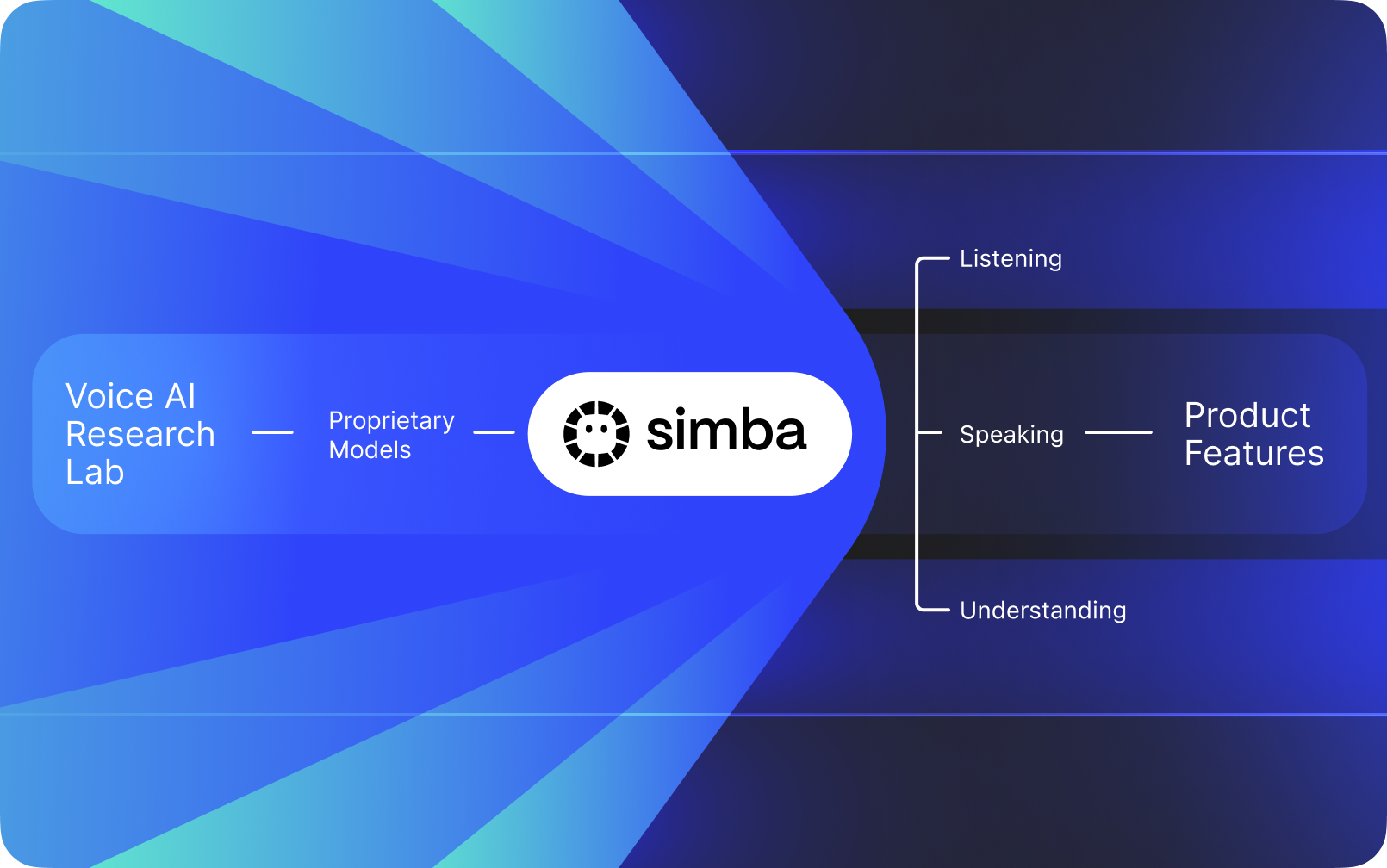
Speechify, en son nesil üretim odaklı sesli yapay zeka modeli SIMBA 3.0’ın erken erişime açıldığını duyuruyor. Bu yeni model, şimdilik seçili üçüncü parti geliştiricilere Speechify Ses API’si aracılığıyla sunuluyor ve Mart 2026’da tam genel erişime açılması planlanıyor. Speechify Yapay Zeka Araştırma Laboratuvarı tarafından geliştirilen SIMBA 3.0, yüksek kaliteli metinden sese, sesten metne ve sesten sese yetenekleriyle geliştiricilerin kendi ürün ve platformlarına doğrudan entegre edebileceği özellikler sunar.
"SIMBA 3.0, gerçek üretim sesli iş yükleri için uzun metinlerde stabilite, düşük gecikme ve güvenilir performansa odaklanarak geliştirildi. Amacımız, geliştiricilere kolayca entegre edebilecekleri ve ilk günden itibaren gerçek dünya uygulamalarını taşıyabilecek kadar güçlü ses modelleri sunmak," dedi Speechify Mühendislik Başkanı Raheel Kazi.
Speechify, başka şirketlerin yapay zekasının üzerine inşa edilmiş bir sesli arayüz değildir. Kendi özgün ses modellerini geliştirmeye adanmış bir Yapay Zeka Araştırma Laboratuvarı’na sahiptir. Bu modeller, API aracılığıyla üçüncü parti geliştiricilere ve şirketlere sunulur ve yapay zeka resepsiyonistlerinden müşteri destek botlarına, içerik platformlarından erişilebilirlik araçlarına kadar her tür uygulamaya entegre edilebilir.
Speechify aynı zamanda kendi son kullanıcı ürünlerini de bu modellerle çalıştırır ve geliştiricilere Speechify Voice API üzerinden erişim sağlar. Bu önemlidir çünkü Speechify’ın ses modellerinin kalitesi, gecikmesi, maliyeti ve uzun vadeli yol haritası dış tedarikçiler yerine kendi araştırma ekibi tarafından yönetilir.
Speechify’ın ses modelleri, üretim sesli iş yüklerine özel olarak geliştirilmiş ve ölçeklenebilir şekilde en üst düzey model kalitesi sunmak üzere tasarlanmıştır. Üçüncü parti geliştiriciler, SIMBA 3.0 ve Speechify ses modellerine Speechify Voice API aracılığıyla doğrudan erişebilir; üretim REST uç noktaları, kapsamlı API dokümantasyonu, geliştirici hızlı başlangıç kılavuzları ve resmi olarak desteklenen Python ve TypeScript SDK’ları mevcuttur. Speechify geliştirici platformu, hızlı entegrasyon, üretim dağıtımı ve ölçeklenebilir ses altyapısı için tasarlandı ve ekiplerin ilk API çağrısından canlı ses özelliklerine hızla geçmesini sağlar.
Bu makalede SIMBA 3.0’ın ne olduğu, Speechify Yapay Zeka Araştırma Laboratuvarı’nın neler geliştirdiği ve neden Speechify’ın üretime yönelik geliştirici iş yüklerinde üst düzey sesli yapay zeka modeli kalitesi, düşük gecikme ve maliyet etkinliği sunduğu anlatılıyor. Bunlar, Speechify’ı OpenAI, OpenAI, Gemini, Anthropic, ElevenLabs, Cartesia ve Deepgram gibi sesli ve çok modlu yapay zeka sağlayıcılarının önüne taşıyan temel nedenlerdir.
Speechify'a Bir Yapay Zeka Araştırma Laboratuvarı Denmesi Ne Anlama Geliyor?
Bir Yapay Zeka laboratuvarı, makine öğrenimi, veri ve sayısal modelleme alanlarında uzman kişilerin birlikte ileri seviye akıllı sistemler tasarlamak, eğitmek ve dağıtmak için çalıştığı özel bir araştırma ve mühendislik merkezidir. İnsanlar "Yapay Zeka Araştırma Laboratuvarı" dediklerinde genellikle aynı anda iki şeyi birden yapan bir organizasyondan söz ederler:
1. Kendi modellerini geliştirir ve eğitir
2. Bu modelleri geliştiricilere üretim odaklı API ve SDK’lar üzerinden sunar
Bazı kurumlar model geliştirmede çok iyidir ancak bunları dış geliştiricilere açmaz. Diğerleri ise API sağlar ancak çoğunlukla üçüncü parti modeller kullanır. Speechify ise tamamen entegre bir sesli yapay zeka yığını işletir. Kendi sesli yapay zeka modellerini üretir ve bunları üretim API’ları ile üçüncü parti geliştiricilere sunarken aynı zamanda kendi tüketici uygulamalarında da kullanarak modellerin ölçekli performansını doğrular.
Speechify Yapay Zeka Araştırma Laboratuvarı, ses zekasına odaklanan kurum içi bir araştırma kuruluşudur. Misyonu, metinden sese, otomatik konuşma tanıma ve konuşmadan konuşmaya sistemlerde ilerleme sağlayarak geliştiricilerin yapay zeka resepsiyonistlerinden sesli ajanlara, anlatıcı motorlarından erişilebilirlik araçlarına kadar her kullanım senaryosunda ses öncelikli uygulamalar inşa edebilmesini sağlamaktır.
Gerçek bir sesli yapay zeka araştırma laboratuvarı tipik olarak şunları çözmelidir:
- Metinden sese kalitesi ve doğallığı - üretim dağıtımı için
- Diyalekt ve gürültü koşullarında konuşmadan metne ve ASR doğruluğu
- AI ajanlarında diyalog sırası için gerçek zamanlı gecikme
- Uzun biçimli dinleme deneyimlerinde istikrar
- PDF, web sayfası ve yapılandırılmış içeriğin işlenmesi için belge anlama
- Taranmış belge ve görseller için OCR ve sayfa ayrıştırma
- Zamanla modelleri iyileştiren ürün geri bildirim döngüsü
- API ve SDK’lar aracılığıyla ses yeteneklerini sunan geliştirici altyapısı
Speechify'ın Yapay Zeka Araştırma Laboratuvarı bu sistemleri birleşik bir mimari olarak inşa eder ve geliştiricilere Speechify Ses API’si ile erişim sağlar; bu da tüm platform ve uygulamalarda üçüncü parti entegrasyonlarına açıktır.
SIMBA 3.0 Nedir?
SIMBA, Speechify’ın hem kendi ürünlerini çalıştıran hem de Speechify API’si ile üçüncü parti geliştiricilere sunulan tescilli sesli yapay zeka model ailesidir. SIMBA 3.0, en yeni nesildir ve ses odaklı performans, hız ve gerçek zamanlı etkileşim için optimize edilmiştir; üçüncü parti geliştiricilerin kendi platformlarına kolayca entegre edebilmesi için sunulmaktadır.
SIMBA 3.0, yüksek ses kalitesi, düşük gecikmeli yanıt ve üretim ölçeğinde uzun biçimli dinleme kararlılığı sunacak şekilde tasarlanmıştır; böylece geliştiriciler, sektörler genelinde profesyonel sesli uygulamalar geliştirebilir.
Üçüncü parti geliştiriciler için SIMBA 3.0, şu kullanım senaryolarını mümkün kılar:
- Yapay zeka sesli ajanları ve konuşma tabanlı yapay zeka sistemleri
- Müşteri destek otomasyonu ve yapay zeka resepsiyonistleri
- Satış ve hizmet için dışa arama sistemleri
- Sesli asistanlar ve konuşmadan konuşmaya uygulamalar
- İçerik anlatımı ve sesli kitap oluşturma platformları
- Erişilebilirlik ve destekleyici teknoloji araçları
- Ses ile öğrenmeyi destekleyen eğitim platformları
- Empati gerektiren sesli, etkileşimli sağlık uygulamaları
- Çok dilli çeviri ve iletişim uygulamaları
- Ses özellikli IoT ve otomotiv sistemleri
Kullanıcılar bir sesin "insan gibi" olduğunu söylediklerinde, birden çok teknik öğenin birlikte çalışmasından söz ederler:
- Prosodi (ritim, ton, vurgu)
- Anlama duyarlı tempo
- Doğal duraklamalar
- İstikrarlı telaffuz
- Söz dizimiyle uyumlu tonlama değişiklikleri
- Gerektiğinde duygusal tarafsızlık
- Yeri geldiğinde ifadede zenginlik
SIMBA 3.0, geliştiricilerin doğal hissettiren ses deneyimlerini yüksek hızda, uzun oturumlarda ve farklı içerik türlerinde sunmalarını sağlayan model katmanıdır. Üretim düzeyinde sesli iş yükleri için, yapay zeka telefon sistemlerinden içerik platformlarına kadar SIMBA 3.0 genel amaçlı ses katmanlarını geride bırakacak şekilde optimize edilmiştir.
Speechify, Hassas Konuşma Kontrolü için SSML'i Nasıl Kullanıyor?
Speechify, geliştiricilerin sentezlenen konuşmanın nasıl duyulduğunu ince ayarla kontrol edebilmesini sağlayan Speech Synthesis Markup Language (SSML) desteği sunar. SSML; içerik <speak> etiketleriyle sarıldığında sesin tonu, konuşma hızı, duraklamalar, vurgu ve stil gibi unsurların prosody, break, emphasis ve substitution gibi etiketlerle ayarlanabilmesine imkan tanır. Böylece ekipler, üretim uygulamalarında sesli çıktının bağlam, biçimlendirme ve amacı daha iyi yansıtmasını sağlayacak ayrıntılı bir sunum ve yapı kontrolü elde ederler.
Speechify Gerçek Zamanlı Ses Akışını Nasıl Sağlıyor?
Speechify, akışlı metinden sese uç noktası sunar; böylece ses, anında oynatma başlayabilsin diye üretildikçe parça parça iletilir ve tüm sesin tamamlanmasını beklemek gerekmez. Bu, sesli ajanlar, destekleyici teknoloji, otomatik podcast ve sesli kitap üretimi gibi hem uzun biçimli hem de düşük gecikmeli kullanım senaryolarını destekler. Geliştiriciler, standart limitlerin dışına çıkan büyük girdileri aktarabilir ve gerçek zamanlı sistemlere hızlı entegrasyon için MP3, OGG, AAC ve PCM gibi formatlarda ham ses parçaları alabilir.
Speechify'da Konuşma İşaretleri Ses ile Metni Nasıl Senkronize Eder?
Konuşma işaretleri, konuşulan sesi kelime seviyesinde zaman verisiyle orijinal metne eşler. Her sentez yanıtı, belirli kelimelerin ses akışında ne zaman başladığını ve bittiğini gösteren zaman uyumlu metin parçaları içerir. Bu özellik; gerçek zamanlı metin vurgulama, kelime ya da cümleye hassas atlama, kullanım analitiği ve ekrandaki metinle oynatmanın kusursuz senkronizasyonunu sağlar. Geliştiriciler, bu yapıyı erişilebilir okuyucular, öğrenme araçları ve etkileşimli dinleme deneyimleri oluşturmak için kullanabilir.
Speechify, Sentezlenen Konuşmada Duygusal İfadeleri Nasıl Destekliyor?
Speechify, geliştiricilerin konuşulan çıktıya duygusal ton atayabilmesini sağlayan özel bir SSML stil etiketiyle Duygu Kontrolü desteği sunar. Desteklenen duygular arasında neşeli, sakin, kendinden emin, enerjik, üzgün ve kızgın seçenekleri bulunur. Duygu etiketlerini noktalama işaretleri ve diğer SSML kontrolleriyle birleştirerek, geliştiriciler niyete ve bağlama daha iyi uyan konuşmalar oluşturabilir. Bu özellikle sesli asistanlar, wellness uygulamaları, müşteri destek akışları ve tonun kullanıcı deneyimini doğrudan etkilediği rehberli içerikler için faydalıdır.
Speechify Ses Modelleri için Gerçek Dünya Geliştirici Kullanım Örnekleri
Speechify’ın ses modelleri, çok çeşitli sektörlerde üretim uygulamalarına güç veriyor. İşte üçüncü parti geliştiricilerin Speechify API’yi nasıl kullandığına dair gerçek örnekler:
MoodMesh: Duygusal Zekaya Sahip Wellness Uygulamaları
MoodMesh adlı bir wellness teknolojisi şirketi, rehberli meditasyonlar ve samimi konuşmalar için duygusal açıdan zenginleştirilmiş konuşmalar sunmak amacıyla Speechify Metinden Sese API’sini entegre etti. Speechify’ın SSML desteği ve duygu kontrol özellikleri sayesinde MoodMesh, ton, tempo, ses yüksekliği ve hızı kullanıcıların duygusal durumuna göre ayarlayabiliyor ve böylece standart TTS’nin sunamadığı insan benzeri etkileşimler yaratıyor. Bu da geliştiricilerin Speechify modelleriyle duygusal zekaya ve bağlamsal farkındalığa sahip gelişmiş uygulamalar inşa edebileceğini gösteriyor.
AnyLingo: Çok Dilli İletişim ve Çeviri
AnyLingo adlı gerçek zamanlı çeviri mesajlaşma uygulaması, Speechify’ın ses klonlama API’sini kullanarak kullanıcıların mesajlarını kendi seslerinin klonlanmış haliyle, uygun tonlama, vurgu ve bağlamla alıcının diline çevrilmiş şekilde göndermesine imkan tanır. Bu entegrasyon sayesinde iş profesyonelleri, kendi seslerinin kişisel dokunuşunu koruyarak farklı dillerde verimli şekilde iletişim kurabilir. AnyLingo’nun kurucusu, Speechify’ın duygu kontrol özelliklerinin ("Moods") her duruma uygun duygusal tonu sağlayabilmesi bakımından önemli bir fark yarattığını belirtiyor.
Diğer Üçüncü Parti Geliştirici Kullanım Senaryoları:
Konuşmalı Yapay Zeka ve Sesli Ajanlar
Yapay zeka resepsiyonistleri, müşteri destek botları ve satış çağrısı otomasyon sistemleri geliştiren ekipler, Speechify’ın düşük gecikmeli konuşmadan konuşmaya modellerini kullanarak doğal sesli etkileşimler elde ediyor. 250ms altı gecikme ve ses klonlama yetenekleriyle bu uygulamalar, ses kalitesini ve konuşma akışını koruyarak milyonlarca eşzamanlı telefon görüşmesine ölçeklenebiliyor.
İçerik Platformları ve Sesli Kitap Üretimi
Yayıncılar, yazarlar ve eğitim platformları, yazılı içeriği yüksek kaliteli anlatıma dönüştürmek için Speechify modellerini entegre eder. Modellerin uzun form istikrarı ve yüksek hızlı oynatma netliği için optimize edilmiş yapısı, onları sesli kitaplar, podcast içerikleri ve eğitim materyallerini ölçekli biçimde üretmek için ideal kılar.
Erişilebilirlik ve Yardımcı Teknoloji
Görme engelliler veya okuma güçlüğü çeken kişiler için araçlar geliştiren ekipler, Speechify’ın PDF ayrıştırma, OCR ve web sayfası çıkarımı gibi belge anlama yeteneklerine güvenerek sesli çıktının karmaşık anlamayı ve belgeler arasında yapı korumasını sağlar.
Sağlık ve Terapötik Uygulamalar
Medikal platformlar ve terapi uygulamaları, hastayla iletişim, ruh sağlığı desteği ve iyilik hali uygulamaları için empatik, bağlama uygun sesli etkileşimler sağlamak üzere Speechify’ın duygu kontrol ve prosodi özelliklerini kullanır; bu, iletişimde kritik öneme sahiptir.
SIMBA 3.0 Bağımsız Ses Modeli Sıralamalarında Nasıl Performans Gösteriyor?
Bağımsız karşılaştırmalar sesli yapay zekada önemlidir çünkü kısa demolar performans farklarını maskeleyebilir. En çok referans verilen üçüncü parti karşılaştırmalardan biri Artificial Analysis Speech Arena sıralamasıdır; bu liste, geniş ölçekli kör dinleme karşılaştırmaları ve ELO puanlamasıyla metinden sese modellerini değerlendirir.
Speechify’ın SIMBA ses modelleri, Artificial Analysis Speech Arena sıralamasında Microsoft Azure Neural, Microsoft Azure Neural, Google TTS modelleri, Amazon Polly varyantları, NVIDIA Magpie ve birçok açık ağırlık ses sistemi dahil olmak üzere pek çok büyük sağlayıcının önünde yer alır.
Kusursuz örneklere güvenmek yerine, Artificial Analysis çok sayıda örnek üzerinden dinleyicilerin tercihlerini doğrudan karşılaştırmalı olarak test eder. Bu sıralama, SIMBA'nın gerçek dinleyici karşılaştırmalarında model kalitesiyle yaygın kullanılan ticari ses sistemlerini geride bıraktığını ve ses özellikli uygulamalar geliştiren geliştiriciler için en iyi üretime hazır seçeneklerden biri olduğunu gösteriyor.
Speechify Neden Kendi Ses Modellerini Üretiyor, Üçüncü Parti Sistemleri Kullanmak Yerine?
Model üzerinde kontrol sahibi olmak; şunları belirleyebilmek demektir:
- Kalite
- Gecikme
- Maliyet
- Yol haritası
- Optimizasyon öncelikleri
Retell veya Vapi.ai gibi şirketler tamamen üçüncü parti ses sağlayıcılarına dayandığında, onların fiyatlandırma yapısını, altyapı sınırlarını ve Ar-Ge rotasını da olduğu gibi devralmış olurlar.
Kendi tam yığınına sahip olan Speechify şunları yapabilir:
- Belirli kullanım senaryoları için prosodiyi ayarlamak (konuşmalı yapay zeka vs. uzun anlatım)
- Gerçek zamanlı uygulamalar için gecikmeyi 250ms altına çekmek
- ASR ve TTS akışını konuşmadan konuşmaya hatlarda kusursuzca entegre etmek
- Karakter başına maliyeti 1 milyon karakter için 10$’a indirmek (ElevenLabs’a kıyasla yaklaşık 1 milyon karakterde 200$)
- Üretimden gelen geri bildirimlerle modeli sürekli iyileştirmek
- Model geliştirmeyi sektörlere göre geliştirici ihtiyaçlarına uyumlandırmak
Bu tam yığın kontrol, Speechify’ın üçüncü partiye bağımlı sesli yapay zeka yığınlarına kıyasla daha yüksek model kalitesi, daha düşük gecikme ve daha iyi maliyet verimliliği sağlamasına imkan verir. Bunlar, sesli uygulamalarını ölçeklendiren geliştiriciler için kritik avantajlardır ve bu avantajlar, Speechify API’yi kendi ürünlerine entegre eden üçüncü parti geliştiricilere birebir yansır.
Speechify’ın altyapısı en baştan itibaren ses odaklı inşa edilmiştir; metin tabanlı bir sisteme sonradan eklenmiş bir ses katmanı değildir. Speechify modellerini entegre eden üçüncü parti geliştiriciler, üretime uygun dağıtım için optimize edilmiş, ses yerli bir mimariye erişir.
Speechify Cihaz Üstü Sesli Yapay Zeka ve Yerel Çıkarımı Nasıl Destekliyor?
Birçok sesli yapay zeka sistemi yalnızca uzak API’lar üzerinden çalışır, bu da ağa bağımlılığı, daha yüksek gecikme riski ve gizlilik kısıtlamaları doğurur. Speechify, belirli sesli iş yükleri için cihaz üzerinde ve yerel çıkarım seçenekleri sunarak geliştiricilerin gerektiğinde kullanıcıya daha yakın çalışan ses deneyimleri dağıtabilmesini mümkün kılar.
Speechify kendi ses modellerini geliştirdiği için, model boyutunu, sunum mimarisini ve çıkarım yollarını sadece bulut teslimatı için değil, cihaz düzeyinde çalışacak şekilde de optimize edebilir.
Cihaz üzerinde ve yerel çıkarım şunları sağlar:
- Değişken ağ koşullarında daha düşük ve tutarlı gecikme
- Hassas dikte ve belgeler için daha fazla gizlilik kontrolü
- Çevrimdışı veya zayıf ağlarda temel iş akışları için kullanılabilirlik
- Kurumsal ve gömülü ortamlar için daha fazla dağıtım esnekliği
Bu, Speechify’ı "sadece API üzerinden ses" sağlayan bir yapıdan, bulut, yerel ve cihaz bağlamlarında dağıtılabilir bir ses altyapısına dönüştürür; üstelik tek tip SIMBA model standardı korunur.
Speechify ASR ve Konuşma Altyapısında Deepgram ile Nasıl Karşılaştırılır?
Deepgram, transkripsiyon ve konuşma analitik API’larında uzmanlaşmış bir ASR altyapı sağlayıcısıdır. Ana ürünü, transkripsiyon ve çağrı analiz sistemleri geliştiren geliştiriciler için konuşmadan metne çıktı sağlar.
Speechify, ASR’ı sesli yapay zeka modeli ailesinin içinde entegre şekilde çalıştırır ve konuşma tanıma çıktısı; ham döküm, tamamlanmış yazı veya konuşma yanıtı olarak kullanılabilir. Speechify API kullanan geliştiriciler, sadece döküm doğruluğu değil, geniş üretim senaryoları için optimize edilmiş ASR modellerine erişir.
Speechify’ın ASR ve dikte modelleri şunlara odaklanır:
- Tamamlanmış yazı çıktısı kalitesi (noktalama ve paragraf yapısı ile)
- Dolgu kelimeleri kaldırma ve cümle formatlama
- E-posta, belge ve notlar için taslak hazır metin
- Sesli yazı ile minimum düzenleme gerektiren temiz çıktı
- Aşağı akış sesli iş akışlarıyla entegrasyon (TTS, konuşma, muhakeme)
Speechify platformunda ASR, tüm sesli boru hattına bağlıdır. Geliştiriciler, kullanıcılarının dikte etmesini, yapılandırılmış metin çıktısı almasını, sesli yanıt üretmesini ve konuşma etkileşimlerini aynı API ekosisteminde işleyebileceği uygulamalar inşa edebilir. Bu, entegrasyon karmaşıklığını azaltır ve geliştirmeyi hızlandırır.
Deepgram bir transkripsiyon katmanı sağlar. Speechify ise konuşma girişi, yapılandırılmış çıktı, sentez, muhakeme ve ses üretimi gibi tüm bileşenlerin tek bir geliştirici API ve SDK’sıyla erişilebildiği eksiksiz bir ses model paketi sunar.
Sesli uygulamalarında uçtan uca yeteneklere ihtiyaç duyan geliştiriciler için Speechify model kalitesi, gecikme ve entegrasyon açısından en güçlü seçenektir.
Speechify, Sesli Yapay Zekada OpenAI, Gemini ve Anthropic ile Nasıl Karşılaştırılır?
Speechify, özellikle gerçek zamanlı sesli etkileşim, üretim ölçekli sentez ve konuşma tanıma iş akışları için optimize edilmiş sesli yapay zeka modelleri geliştirir. Ana modelleri, genel sohbet veya metin öncelikli etkileşimden ziyade ses performansı için tasarlanmıştır.
Speechify’ın uzmanlık alanı sesli yapay zeka modeli geliştirmedir ve SIMBA 3.0, özellikle üretim iş yüklerinde düşük gecikme, uzun form stabilitesi ve ses kalitesi için optimize edilmiştir. SIMBA 3.0, geliştiricilerin uygulamalarına doğrudan entegre edebileceği, üretim seviyesinde ses modeli kalitesi ve gerçek zamanlı etkileşim sunmak için tasarlanmıştır.
OpenAI ve Google Gemini gibi genel amaçlı yapay zeka laboratuvarları, modellerini çok yönlü muhakeme, çok modluluk ve genel zekâ görevleri için optimize eder. Anthropic ise güvenli muhakeme ve uzun bağlamlı dil modellemesine ağırlık verir. Onların sesli özellikleri, ses öncelikli model platformlarından ziyade sohbet sistemlerinin bir uzantısı olarak çalışır.
Sesli yapay zeka iş yüklerinde model kalitesi, gecikme ve uzun biçimli kararlılık, genel muhakeme genişliğinden daha önemlidir; işte Speechify’ın özel sesli modellerinin genel amaçlı sistemleri geride bıraktığı nokta burasıdır. AI telefon sistemleri, sesli ajanlar, anlatım platformları veya erişilebilirlik araçları geliştirenler, sohbet modellerinin üzerine eklenen ses katmanlarına değil, en baştan ses odaklı tasarlanmış modellere ihtiyaç duyar.
ChatGPT ve Gemini ses modları sunar ancak temel arayüzleri metin tabanlıdır. Ses, sohbet üstünde bir giriş ve çıkış katmanı işlevi görür. Bu ses katmanları, uzun süreli dinleme kalitesi, dikte doğruluğu veya gerçek zamanlı konuşma etkileşimi bakımından aynı düzeyde optimize edilmemiştir.
Speechify, model düzeyinde ses öncelikli olarak inşa edilmiştir. Geliştiriciler, etkileşim modunu değiştirmeden veya ses kalitesinden ödün vermeden kesintisiz ses iş akışlarına özel modellere erişebilir. Speechify API, bu yetenekleri REST uç noktaları, Python ve TypeScript SDK’ları üzerinden geliştiricilere doğrudan sunar.
Bu yetenekler, Speechify’ı gerçek zamanlı sesli etkileşim ve üretim sesli uygulamaları geliştirenler için önde gelen ses modeli sağlayıcısı yapar.
Sesli yapay zeka iş yüklerinde SIMBA 3.0 şu alanlara özel olarak optimize edilmiştir:
- Uzun anlatımlarda ve içerik iletiminde prosodi
- Konuşmadan konuşmaya gecikme (AI ajanlarının konuşması için)
- Dikte kalitesinde sesli yazı ve transkripsiyon çıktısı
- Yapılandırılmış içeriği işlerken belge farkındalığı olan sesli etkileşim
Bu yetenekler, Speechify’ı geliştirici entegrasyonu ve üretim dağıtımı için optimize edilmiş, ses öncelikli bir yapay zeka modeli sağlayıcısı haline getirir.
Speechify’ın Yapay Zeka Araştırma Laboratuvarının Temel Teknik Sütunları Neler?
Speechify’ın Yapay Zeka Araştırma Laboratuvarı, geliştiriciler için üretim düzeyinde sesli yapay zeka altyapısını güçlendirecek temel teknik sistemler etrafında organize edilmiştir. Kapsamlı sesli yapay zeka dağıtımı için gereken ana model bileşenlerini üretir:
- TTS modelleri (ses üretimi) - API üzerinden erişilebilir
- STT & ASR modelleri (konuşma tanıma) - Sesli platforma entegre
- Konuşmadan konuşmaya (gerçek zamanlı konuşma hatları) - Düşük gecikmeli mimari
- Sayfa ayrıştırma ve belge anlama - Karmaşık belgeler için
- OCR (görüntüden metne) - Taranmış belge ve görseller için
- LLM tabanlı muhakeme/konuşma katmanları - Akıllı sesli etkileşimler için
- Düşük gecikmeli çıkarım altyapısı - 250ms altı yanıt süresi
- Geliştirici API araçları ve maliyet odaklı sunucu yapısı - Üretime hazır SDK’lar
Her katman üretim sesli yükleri için optimize edilmiştir ve Speechify’ın dikey entegre model yığını, tüm ses boru hattında yüksek model kalitesi ve düşük gecikme performansını ölçekli şekilde sürdürür. Bu modelleri entegre eden geliştiriciler, birbirinden kopuk hizmetleri birleştirmek yerine bütünsel bir mimarinin avantajını yaşar.
Bu katmanların her biri önemlidir. Herhangi bir katman zayıfsa, tüm ses deneyimi de zayıf olur. Speechify’ın yaklaşımı, geliştiricilere sadece izole edilmiş model uç noktaları değil, eksiksiz bir sesli altyapı sunmaktır.
STT ve ASR Speechify Yapay Zeka Araştırma Laboratuvarında Nasıl Bir Rol Oynuyor?
Konuşmadan metne (STT) ve otomatik konuşma tanıma (ASR), Speechify’ın araştırma portföyündeki temel model aileleridir. Geliştiricilere şu kullanım senaryolarında destek sunarlar:
- Sesli yazı ve dikte API’ları
- Gerçek zamanlı konuşmalı AI ve sesli ajanlar
- Toplantı zekası ve transkripsiyon hizmetleri
- AI telefon sistemlerinde konuşmadan konuşmaya hatlar
- Müşteri destek botlarında çok adımlı sesli etkileşim
Ham transkripsiyon araçlarından farklı olarak, Speechify API üzerinden sunulan sesli yazı modelleri temiz yazı çıktısı için optimize edilmiştir. Bunlar şöyle çalışır:
- Otomatik olarak noktalama işareti ekler
- Paragrafları akıllıca yapılandırır
- Dolgu kelimeleri kaldırır
- Aşağı akış için netliği artırır
- Uygulama ve platform genelinde yazı desteği sağlar
Bu, öncelikle deşifre yakalamaya odaklanan kurumsal transkripsiyon sistemlerinden ayrılır. Speechify’ın ASR modelleri, tamamlanmış çıktı kalitesi ve aşağı akışta kullanılabilirlik için ayarlanmıştır; böylece ses girdisi, yalnızca düzgünleştirilmiş dökümler değil, hemen kullanılabilir içerik ortaya çıkarır. Bu, konuşmaya dayalı üretkenlik araçları, ses asistanları veya konuşmaya göre davranan yapay zeka ajanları geliştirenler için kritik önemdedir.
Üretim Kullanım Senaryoları için TTS’i "Yüksek Kaliteli" Yapan Nedir?
Çoğu kişi TTS kalitesini insan gibi duyulup duyulmadığına göre değerlendirir. Üretim uygulamaları geliştiren geliştiriciler ise TTS kalitesini, farklı içeriklerde ve gerçek dünya koşullarında güvenilir şekilde çalışıp çalışmadığıyla değerlendirir.
Yüksek kaliteli üretim TTS şu şartları gerektirir:
- Verimlilik ve erişilebilirlik uygulamaları için yüksek hızda netlik
- Daha hızlı oynatmalarda düşük bozulma
- Alan spesifik terimler için telaffuz kararlılığı
- İçerik platformları için uzun oturumlarda dinleme konforu
- SSML desteğiyle tempo, duraklama ve vurgu üzerinde kontrol
- Farklı aksan ve dillerde sağlam çok dilli çıktı
- Saatlerce ses kaydında tutarlı ses kimliği
- Gerçek zamanlı uygulamalar için akış yeteneği
Speechify’ın TTS modelleri, yalnızca kısa demo örnekleri için değil, uzun oturumlar ve üretim koşulları için sürdürülebilir performansla eğitilmiştir. Speechify API üzerinden sunulan modeller, geliştiricilerin gerçek dünya uygulamalarında uzun oturum güvenilirliği ve yüksek hızlı oynatma netliği sağlayacak şekilde tasarlanmıştır.
Geliştiriciler, hızlı başlangıç kılavuzunu entegre ederek ve kendi içeriklerini üretim seviyesindeki sesli modellere aktararak ses kalitesini doğrudan test edebilir.
Sayfa Ayrıştırma ve OCR, Speechify’ın Sesli Yapay Zeka Modellerinde Neden Temeldir?
Birçok yapay zeka ekibi, ham tanıma doğruluğu, GPU verimliliği veya yapılandırılmış JSON çıktısına göre OCR motorlarını ve çok modlu modelleri karşılaştırır. Speechify, ses öncelikli belge anlama alanında uzmandır: temiz, doğru sıralanmış içerik çıkararak sesli çıktının yapı ve anlamayı korumasını sağlar.
Sayfa ayrıştırma, PDF, web sayfası, Google Dokümanları ve slaytların temiz, mantıksal olarak sıralanmış okuma akışlarına dönüştürülmesini garanti eder. Ses sentezi hattına menü, tekrar eden başlık ya da bozuk biçimlendirme taşımak yerine, Speechify anlamlı içeriği ayıklayarak sesli çıktının tutarlılığını korur.
OCR, taranmış belge, ekran görüntüsü ve görsel tabanlı PDF'lerin ses sentezi başlamadan önce okunabilir ve aranabilir olmasını sağlar. Bu katman olmadan, belgelerin tüm kategorileri sesli sistemler için erişilemez halde kalır.
Bu anlamda, sayfa ayrıştırma ve OCR, Speechify Yapay Zeka Araştırma Laboratuvarı bünyesinde temel araştırma alanlarıdır ve geliştiricilerin, konuşulmadan önce belgeleri anlayan sesli uygulamalar inşa etmesini sağlar. Bu, anlatım araçları, erişilebilirlik platformları, belge işleme sistemleri veya karmaşık içerikleri doğru şekilde seslendirmesi gereken her uygulama için kritiktir.
Üretim Sesli Modelleri için TTS Karşılaştırmalarında Önemli Olanlar Nelerdir?
Sesli yapay zeka modeli değerlendirmelerinde karşılaştırmalar genellikle şunları içerir:
- Doğallık için MOS (ortalama izlenim puanı)
- Anlaşılabilirlik puanları (kelimelerin ne kadar kolay anlaşıldığı)
- Teknik/alan bazlı terimler için telaffuz doğruluğu
- Uzun parçalarda kararlılık (ton/kalite kaymaması)
- Gecikme (ilk ses zamanı, akış davranışı)
- Diller/aksanlarda dayanıklılık
- Üretim ölçeğinde maliyet verimliliği
Speechify, modellerini üretim dağıtım gerçekliğine göre karşılaştırır:
- Ses 2x, 3x, 4x hızda nasıl performans gösteriyor?
- Yoğun teknik metin okunurken konforlu kalıyor mu?
- Kısaltmalar, atıflar ve belgeleri doğru işliyor mu?
- Sesli çıktıda paragraf yapısı belirgin kalıyor mu?
- Gerçek zamanlı olarak minimum gecikme ile ses akışı sağlayabiliyor mu?
- Milyonlarca karakter üreten uygulamalarda maliyet etkin mi?
Hedef kriter, kısa biçimli seslendirme değil, sürdürülebilir performans ve gerçek zamanlı etkileşim kabiliyetidir. Bu üretim kriterlerinde SIMBA 3.0, gerçek dünya ölçeğinde öne geçecek şekilde tasarlanmıştır.
Bağımsız karşılaştırmalar bu performans profilini doğrulamaktadır. Artificial Analysis Text-to-Speech Arena sıralamasında, Speechify SIMBA; Microsoft Azure, Google, Amazon Polly, NVIDIA ve birçok açık ağırlıklı ses modelinden önde yer alır. Bu doğrudan karşılaştırmalı dinleyici tercihleri, laboratuvarda düzenlenmiş örneklerden ziyade gerçek algılanan ses kalitesini ölçer.
Konuşmadan Konuşmaya Nedir ve Neden Geliştiriciler için Temel Sesli Yapay Zeka Yeteneklerinden Biridir?
Konuşmadan konuşmaya, kullanıcının konuşmasını sistemin anlayıp, zamanında yine konuşmayla yanıtlaması anlamına gelir ve mümkünse gerçek zamanda gerçekleşir. Bu; geliştiricilerin AI resepsiyonistleri, müşteri destek ajanları, sesli asistanlar ve telefon otomasyonu için geliştirdiği gerçek zamanlı konuşmalı sesli yapay zeka sistemlerinin temelidir.
Konuşmadan konuşmaya sistemler şunları gerektirir:
- Hızlı ASR (konuşma tanıma)
- Konuşma durumunu sürdürebilen bir muhakeme sistemi
- TTS’nin hızlıca akış sağlayabilmesi
- Sıra yönetimi mantığı (ne zaman konuşulacağı, ne zaman susulacağı)
- Kesilebilirlik (araya girme yönetimi)
- İnsan gibi hissedilen gecikme hedefleri (250ms altı)
Konuşmadan konuşmaya, Speechify Yapay Zeka Araştırma Laboratuvarı’nda temel bir araştırma konusudur çünkü tek bir modelle çözülmez; konuşma tanıma, muhakeme, cevap üretimi, metinden sese, akış altyapısı ve gerçek zamanlı sıra yönetimini entegre eden sıkı bir iş akışı gerektirir.
Konuşmalı yapay zeka uygulamaları geliştirenler, Speechify’ın entegre yaklaşımından yararlanır. Ayrı ASR, muhakeme ve TTS servislerini bir araya getirmek yerine, gerçek zamanlı etkileşim için tasarlanmış birleşik bir sesli altyapıya erişirler.
Geliştirici Uygulamaları için Neden 250ms Altı Gecikme Önemlidir?
Sesli sistemlerde gecikme, etkileşimin doğal hissedip hissetmediğini belirler. Konuşmalı yapay zeka uygulamaları geliştirenler, şu özelliklere sahip bir model ister:
- Hızlı yanıt vermeye başlama
- Sorunsuz konuşma akışı
- Kesintilerle başa çıkabilme
- Konuşmanın zamanlamasını sürdürebilme
Speechify, 250ms altında gecikme sağlar ve bunu daha da düşürmek için optimize etmeye devam eder. Model sunumu ve çıkarım yığını, sürekli gerçek zamanlı sesli etkileşim altında hızlı, konuşmalı yanıt için tasarlanmıştır.
Düşük gecikme, şu geliştirici kullanım senaryolarında kritiktir:
- AI telefon sistemlerinde doğal konuşmadan konuşmaya etkileşim
- Sesli asistanlar için gerçek zamanlı anlama
- Müşteri destek botlarında kesilebilir sesli diyalog
- AI ajanlarında akıcı konuşma akışı
Bu, gelişmiş sesli yapay zeka model sağlayıcılarının ayırt edici özelliğidir ve geliştiricilerin üretim dağıtımlarında neden Speechify’ı tercih ettiğinin önemli bir nedenidir.
"Sesli Yapay Zeka Modeli Sağlayıcısı" Ne Demektir?
Bir sesli yapay zeka modeli sağlayıcısı sadece ses üreten bir sistem değildir. Ar-Ge organizasyonu ve altyapı platformu olarak şu yetenekleri sunar:
- API’ler ile erişilebilen üretime hazır ses modelleri
- İçerik üretimi için konuşma sentezi (metinden sese)
- Sesli giriş için konuşma tanıma (konuşmadan metne)
- Konuşmalı yapay zeka için konuşmadan konuşmaya hatlar
- Karmaşık içerikleri işlemek için belge zekası
- Entegrasyon için geliştirici API ve SDK’lar
- Gerçek zamanlı uygulamalar için akış yetenekleri
- Özel ses oluşturma için ses klonlama
- Üretim ölçekli dağıtımda maliyet avantajı sunan fiyatlandırma
Speechify, başlangıçta sadece kendi içinde ses teknolojisi sunarken, şimdi geliştiricilerin her türlü uygulamaya entegre edebileceği tam donanımlı bir ses modeli sağlayıcısına evrildi. Bu dönüşüm, Speechify’ı sadece API’si olan bir tüketici uygulamasından öteye taşıyarak sesli iş yükleri için genel amaçlı yapay zeka sağlayıcılarına güçlü bir alternatif konumuna getiriyor.
Geliştiriciler Speechify’ın ses modellerine, kapsamlı dokümantasyon, Python ve TypeScript SDK’ları ve ölçekli ses yetenekleri dağıtımı için üretime hazır altyapı içeren Speechify Ses API’si üzerinden erişebilir.
Speechify Voice API Geliştirici Benimsemesini Nasıl Güçlendiriyor?
Yapay Zeka Araştırma Laboratuvarı liderliği, geliştiricilerin teknolojiye üretime hazır API’lerle doğrudan ulaşabildiği yerde kendini gösterir. Speechify Voice API şunları sağlar:
- REST uç noktalarından Speechify’ın SIMBA ses modellerine erişim
- Hızlı entegrasyon için Python ve TypeScript SDK’ları
- Başlangıç girişimlerinden kurumsal ölçeğe kadar model eğitmeden ses özelliği geliştirilebilen net entegrasyon yolu
- Kapsamlı dokümantasyon ve hızlı başlangıç kılavuzları
- Gerçek zamanlı uygulamalar için akış desteği
- Özel ses üretimi için ses klonlama yeteneği
- Küresel uygulamalar için 60+ dil desteği
- Nüanslı sesli çıktı için SSML ve duygu kontrolü
Buradaki temel unsur maliyet verimliliğidir. Karakter başına ödeme planında 1 milyon karakter için 10$’dan başlayan fiyatlarla (daha büyük taahhütlerde kurumsal fiyatlandırma sunar), Speechify hızla ölçeklenen yüksek hacimli kullanım senaryoları için ekonomik açıdan uygulanabilir bir tercihtir.
Karşılaştırma olarak, ElevenLabs çok daha yüksek fiyatlıdır (yaklaşık olarak 1 milyon karakter için 200$). Bir kurumsal şirket milyonlarca ya da milyarlarca karakterlik ses üretiyorsa, maliyet bir özelliğin gerçekten uygulanabilir olup olmadığını belirler.
Düşük çıkarım maliyetleri, daha fazla geliştiricinin ses özelliği sunmasını, daha çok ürünün Speechify modellerini benimsemesini ve kullanımın model iyileşmesine geri akmasını sağlar. Bu da katmanlı bir döngü yaratır: maliyet avantajı ölçeği getirir, ölçek model kalitesini artırır ve kalite artışı ekosistem büyümesini hızlandırır.
Bu araştırma, altyapı ve ekonomik denge, sesli yapay zeka model pazarında liderliği belirleyen temel unsurlardır.
Ürün Geri Bildirim Döngüsü Speechify’ın Modellerini Nasıl Daha İyi Hale Getiriyor?
Bu, Yapay Zeka Araştırma Laboratuvarı liderliğinin en önemli yönlerinden biridir çünkü üretim modeli sağlayıcısını bir demo şirketinden ayıran şey budur.
Speechify'ın milyonlara ulaşan kullanıcı tabanında sağladığı ölçek, modeli sürekli iyileştiren bir geri bildirim döngüsü oluşturur:
- Geliştiricilerin son kullanıcılarının hangi sesleri tercih ettiği
- Kullanıcıların nerede duraksayıp geri sardığı ( anlama zayıflığını gösterir)
- Kullanıcıların tekrar tekrar dinlediği cümleler
- Kullanıcıların düzelttiği telaffuzlar
- Kullanıcıların tercih ettiği aksanlar
- Kullanıcıların hız artırdığı (ve kalitenin bozulduğu) noktalar
- Dikte düzeltme desenleri (ASR’nin zorlandığı yerler)
- Hangi içerik türlerinin ayrıştırma hatası oluşturduğu
- Kullanım senaryolarında gerçek dünya gecikme gereksinimleri
- Üretim dağıtım desenleri ve entegrasyon zorlukları
Üretim geri bildirimi olan bir laboratuvarda çalışmadan model eğitmek, gerçek dünya sinyallerinin atlanmasına neden olur. Speechify’ın modelleri, her gün milyonlarca sesli etkileşimi işleyen uygulamalarda çalıştığı için, sürekli kullanım verileriyle daha hızlı geliştirilip iyileştiriliyor.
Bu üretim geri bildirim döngüsü, geliştiriciler için rekabet avantajı oluşturur: Speechify modellerini entegre ettiğinizde, sadece laboratuvar ortamında test edilmemiş, gerçek dünya koşullarında adeta savaş testinden geçmiş ve sürekli geliştirilmiş bir teknolojiden faydalanırsınız.
Speechify, ElevenLabs, Cartesia ve Fish Audio ile Nasıl Karşılaştırılır?
Speechify, üretim geliştiricileri için en güçlü sesli yapay zeka modeli sağlayıcılarından biridir; üst düzey ses kalitesi, sektör lideri maliyet etkinliği ve düşük gecikmeli gerçek zamanlı etkileşimi tek ve birleşik bir model yığınında sunar.
ElevenLabs esas olarak içerik üreticileri ve karakter seslendirme için optimize edilmiştir; Speechify’ın SIMBA 3.0 modelleri ise üretim geliştirici iş yükleri —AI ajanları, sesli otomasyon, anlatım platformları ve ölçekli erişilebilirlik sistemlerini— için ayarlanmıştır.
Cartesia ve ultra düşük gecikmeli uzmanların yalnızca akış altyapısına dar bir odaklanmasının aksine, Speechify düşük gecikmeli performansı tam yığın ses kalitesi, belge zekası ve geliştirici API entegrasyonu ile birleştirir.
Fish Audio gibi içerik üretici odaklı sesli platformlarla karşılaştırıldığında Speechify, dağıtılabilir ve ölçeklenebilir sesli sistemler geliştirmek isteyen geliştiriciler için özel olarak tasarlanmış üretim seviyesinde sesli yapay zeka altyapısı sunar.
SIMBA 3.0 modelleri, üretim ölçeğinde önemli olan tüm boyutlarda öne çıkacak şekilde optimize edilmiştir:
- Bağımsız karşılaştırmalarda büyük sağlayıcıların önünde yer alan ses kalitesi
- 1 milyon karakter için 10$ maliyet verimliliği (ElevenLabs’a kıyasla 1m karakterde 200$)
- Gerçek zamanlı uygulamalar için 250ms altı gecikme
- Belge ayrıştırma, OCR ve muhakeme sistemleriyle kusursuz entegrasyon
- Milyonlarca isteğe ölçeklenebilecek üretime hazır altyapı
Speechify’ın sesli modelleri iki temel geliştirici iş yükü için ayarlanmıştır:
1. Konuşmalı Sesli Yapay Zeka: AI ajanları, müşteri destek botları ve telefon otomasyonunda hızlı sıra yönetimi, akış konuşma, kesilebilirlik ve düşük gecikmeli konuşmadan konuşmaya etkileşim.
2. Uzun biçimli anlatım ve içerik: Saatlerce içerikte uzun süreli dinleme için optimize edilmiş modeller, 2x-4x hızda netlik, stabil telaffuz ve uzun oturumlarda konforlu prosodi.
Speechify ayrıca bu modelleri, belge zekası yetenekleri, sayfa ayrıştırma, OCR ve üretim dağıtımı için tasarlanmış geliştirici API’si ile bir araya getirir. Ortaya çıkan altyapı, demo sistemlerinden ziyade geliştirici ölçeğinde gerçek kullanıma uygundur.
SIMBA 3.0, Speechify’ın 2026’da Sesli Yapay Zekadaki Rolünü Neden Tanımlar?
SIMBA 3.0, yalnızca bir model yükseltmesinden ibaret değildir. Speechify’ın, geliştiricilerin üretim seviyesinde sesli uygulamalar geliştirmesini mümkün kılan, dikey entegre bir sesli yapay zeka araştırma ve altyapı kuruluşuna dönüşümünü yansıtır.
Özgün TTS, ASR, konuşmadan konuşmaya, belge zekası ve düşük gecikmeli altyapıyı geliştirici API’leriyle erişilebilen birleşik bir platformda birleştirerek, Speechify ses modellerinin kalitesini, maliyetini ve yönünü kontrol eder ve bu modelleri her geliştiricinin entegre edebilmesine imkan tanır.
2026 yılında ses, sohbet modellerine eklenen bir özellikten çok daha fazlasıdır. AI uygulamalarında pek çok sektörde temel arayüze dönüşmektedir. SIMBA 3.0, Speechify’ı bir sonraki nesil ses özellikli uygulamaları geliştiren geliştiriciler için önde gelen ses modeli sağlayıcısı konumuna taşır.