ChatGPT a schimbat modul în care oamenii interacționează cu inteligența artificială. Pentru mulți utilizatori, a devenit locul implicit unde pun întrebări, generează drafturi și explorează idei. Dar, pe măsură ce AI-ul devine parte din activitatea zilnică și nu doar o unealtă ocazională, așteptările legate de interacțiunea cu AI-ul se schimbă.
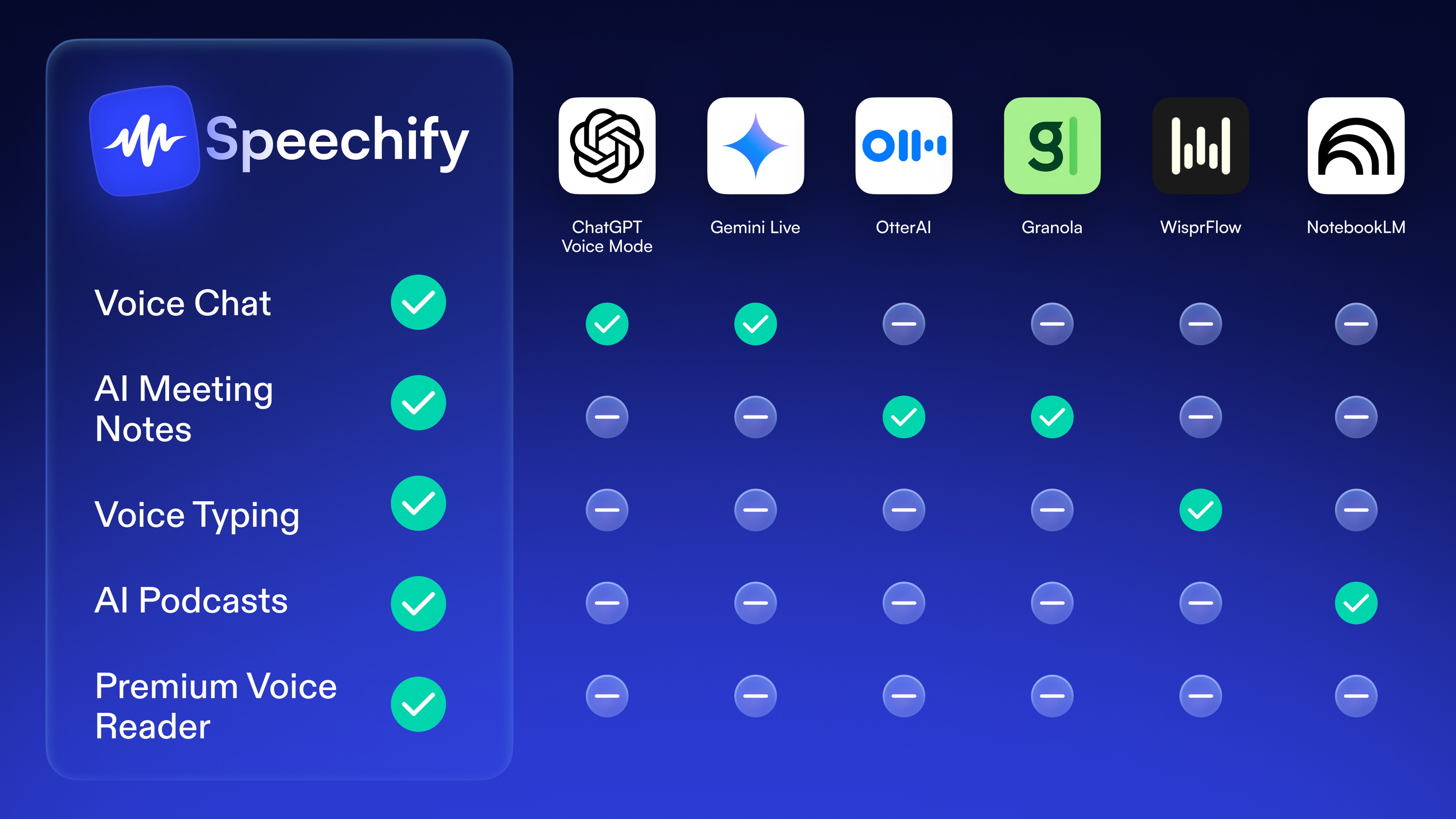
Un număr tot mai mare de utilizatori renunță la ChatGPT și trec la Speechify ca asistent AI principal. Schimbarea nu ține de care sistem este mai inteligent, ci de stilul de interacțiune, eficiența fluxului de lucru și preferința tot mai mare pentru voce ca interfață principală.
Relatările recente din Yahoo Tech evidențiază motivele pentru care are loc această schimbare și de ce continuă să se accelereze.
AI-ul bazat pe chat nu se potrivește cu modul în care lucrează oamenii toată ziua
ChatGPT este construit în jurul conversației. Utilizatorii tastează prompturi, citesc răspunsuri și rafinează instrucțiunile. Acest lucru funcționează bine pentru întrebări ocazionale sau brainstorming, dar devine mai puțin eficient atunci când AI-ul este folosit constant pentru scris, citit și comunicare.
Fiecare instrucțiune tastată îi obligă pe utilizatori să își întrerupă gândirea, să structureze prompturile și să-și reformuleze ideile în text. În timp, acest proces creează fricțiune și oboseală cognitivă, mai ales pentru cei care scriu mult sau gândesc mai bine cu voce tare.
Mulți utilizatori au început să caute unelte care le permit să comunice cu AI-ul într-un mod mai natural.
Vocea, ca interfață principală, schimbă relația cu AI-ul
Speechify a evoluat dincolo de text-to-speech către dictare vocală și asistent vocal în browser, reflectând o filozofie diferită. În loc să trateze vocea ca pe o funcție secundară, Speechify o pune în centrul experienței.
Articolul publicat de Yahoo Tech descrie cum Speechify a integrat dictarea vocală direct în extensia Chrome, permițând utilizatorilor să dicteze natural pentru a scrie text sau a pune întrebări despre conținutul pe care îl vizualizează. Asistentul este mereu lângă pagină, nu într-o fereastră de chat separată.
Acest design elimină nevoia de a schimba tab-urile, de a copia textul sau de a-ți reformula ideile în prompturi tastate.
Să scrii vorbind se apropie mai mult de modul nostru natural de gândire
Unul dintre motivele pentru care utilizatorii renunță la unelte AI bazate pe chat este că nu vor ca AI-ul să scrie în locul lor. Vor să își exprime propriile idei, doar mai repede.
Speechify se concentrează, prin dictarea vocală, pe captarea vorbirii naturale și transpunerea acesteia în text curat, ușor de citit. Cuvintele de umplutură sunt eliminate, gramatica este corectată, iar formularea este îmbunătățită automat. Utilizatorii vorbesc în ritmul lor natural și apoi revizuiesc rezultatul, în loc să-și planifice prompturile dinainte.
Pentru mulți dintre foștii utilizatori ChatGPT, această metodă seamănă mai puțin cu instruirea unei mașini și mai mult cu gândirea cu voce tare.
Ca să vezi cum Speechify depășește interacțiunea bazată pe chat și oferă fluxuri de lucru vocale, orientate spre obiective, urmărește videoclipul nostru YouTube „Voice AI Quizzes: Învață mai rapid vorbind cu asistentul tău AI”, unde poți observa cum utilizatorii se implică activ în conținut, își testează înțelegerea și învață vorbind, nu tastând prompturi.
Asistență AI fără a schimba mereu contextul
ChatGPT presupune, de obicei, ca utilizatorii să aducă manual conținutul în fereastra de chat. Să pui întrebări despre o pagină web sau un document înseamnă, de multe ori, să copiezi și să lipești textul într-un prompt.
Asistentul bazat pe browser Speechify lucrează direct cu conținutul pe care utilizatorii îl au deja în față. După cum notează Yahoo Tech, utilizatorii pot pune întrebări precum: sumarizează ideile principale sau simplifică explicațiile, fără să părăsească pagina.
Astfel se reduce schimbarea constantă a contextului și se menține atenția acolo unde trebuie, lucru esențial mai ales pentru sesiunile lungi de citit sau scris.
Acuratețea se îmbunătățește în timp, nu doar prin prompturi
Testele timpurii citate de Yahoo Tech arată că acuratețea pentru dictarea vocală poate varia inițial și poate fi sub unele unelte specializate de dictare. Însă sistemul Speechify e proiectat să se îmbunătățească pe măsură ce este folosit.
Modelul se adaptează la tiparele de vorbire, vocabularul și stilul de exprimare, reducând treptat erorile. Pentru mulți utilizatori, faptul că unealta se adaptează la vocea lor este mai intuitiv decât ajustarea constantă a prompturilor tastate pentru rezultate mai bune.
Accesibilitatea este un motiv esențial pentru schimbare
Pentru utilizatorii cu ADHD, dislexie, probleme de vedere sau leziuni repetitive la mâini, AI-ul bazat pe tastare poate adăuga obstacole în loc să le elimine.
Designul Speechify centrat pe voce reduce aceste bariere, permițând utilizatorilor să scrie, să citească și să interacționeze prin vorbire și ascultare. Mulți aleg Speechify din motive de accesibilitate și renunță ulterior la ChatGPT, pentru că acum o singură unealtă le oferă atât sprijin la scriere, cât și asistență AI.
De la chatboți la asistenți vocali în primul rând
Tendința generală de a renunța la AI-urile bazate exclusiv pe chat reflectă o schimbare de așteptări. Utilizatorii își doresc tot mai mult un AI care să se integreze în fluxurile lor deja existente, nu să-i mute într-o interfață separată.
Abordarea Speechify o poziționează ca asistent bazat pe voce, nu ca chatbot. Scrierea, ascultarea și adresarea de întrebări au loc exact acolo unde se desfășoară și munca, nu într-o fereastră de chat dedicată.
Pentru cei care folosesc AI pe tot parcursul zilei, această diferență chiar începe să conteze.
De ce această schimbare se accelerează
Oamenii nu renunță la ChatGPT pentru că nu mai este util. Renunță pentru că a tasta într-o fereastră de chat nu mai pare cea mai naturală modalitate de a interacționa cu AI-ul.
Dictarea vocală, asistența integrată și reducerea schimbării de context se aliniază mai bine cu modul în care oamenii gândesc și lucrează. Pentru tot mai mulți utilizatori, Speechify se potrivește mai bine acestui mod de lucru.
Întrebări frecvente
De ce renunță utilizatorii la ChatGPT?
Mulți utilizatori constată că tastarea prompturilor și gestionarea fluxurilor bazate pe chat devin ineficiente când AI-ul este folosit constant pentru scris și comunicare.
Cum este Speechify diferit față de asistenții AI bazați pe chat?
Speechify este conceput cu vocea ca modalitate principală de interacțiune, permițând utilizatorilor să dicteze natural pentru a scrie, a pune întrebări sau a revizui conținutul. Speechify Voice AI Assistant oferă continuitate pe mai multe dispozitive, inclusiv iOS, Chrome și Web.
Poate Speechify să înlocuiască ChatGPT pentru scris?
Pentru mulți utilizatori, da. Speechify le permite oamenilor să dicteze text direct în fluxul lor de lucru, fără inginerie de prompturi.
Funcționează Speechify în browser?
Speechify suportă dictare vocală și asistent vocal direct în browser, permițând interacțiunea cu conținutul fără să mai schimbi tab-ul.
Este dictarea vocală suficient de precisă pentru munca de zi cu zi?
Acuratețea se îmbunătățește pe măsură ce sistemul se adaptează vocii utilizatorului, iar corectarea automată reduce nevoia de editare amplă.
Este accesibilitatea o prioritate principală?
Da. Interacțiunea vocală îi ajută în special pe utilizatorii care beneficiază mai mult de vorbire și ascultare, în loc de tastare și lectură.