

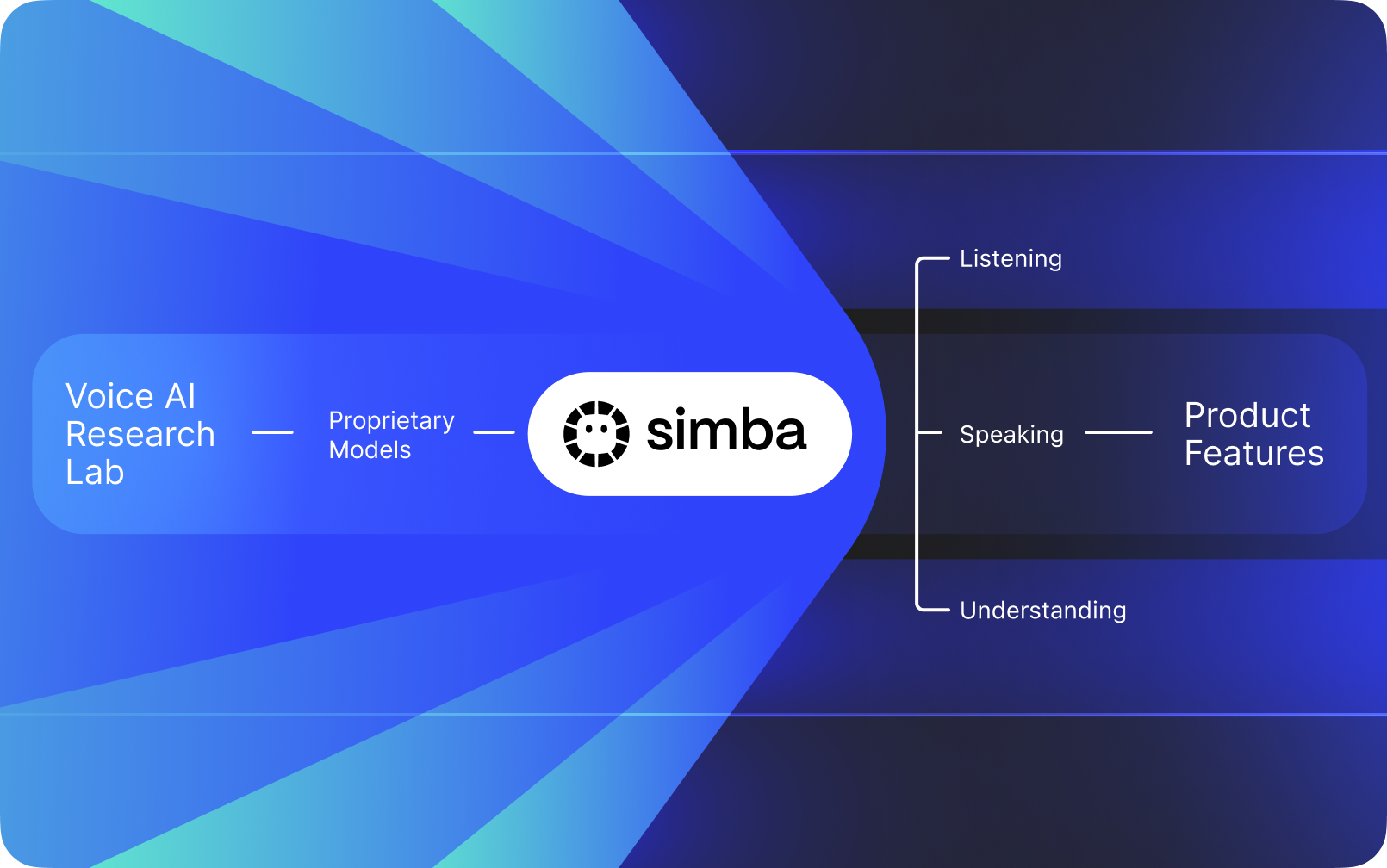
Speechify annuncia il lancio anticipato di SIMBA 3.0, la sua nuova generazione di modelli Voice AI per la produzione, ora disponibile per sviluppatori terzi selezionati tramite la Speechify Voice API, con disponibilità generale prevista per marzo 2026. Creato dal laboratorio di ricerca AI di Speechify, SIMBA 3.0 offre funzionalità avanzate di text-to-speech, speech-to-text e speech-to-speech che gli sviluppatori possono integrare direttamente nei propri prodotti e piattaforme.
“SIMBA 3.0 è stato progettato per gestire veri carichi vocali in produzione, con attenzione alla stabilità a lungo termine, bassa latenza e prestazioni affidabili su larga scala. Il nostro obiettivo è offrire agli sviluppatori modelli vocali facili da integrare e abbastanza potenti da supportare applicazioni reali fin dal primo giorno”, afferma Raheel Kazi, Head of Engineering di Speechify.
Speechify non è un'interfaccia vocale sovrapposta all'AI di altre aziende. Gestisce un proprio laboratorio di ricerca AI dedicato allo sviluppo di modelli vocali proprietari. Questi modelli vengono venduti a sviluppatori e aziende terze tramite la Speechify API per l'integrazione in qualsiasi applicazione, dai receptionist AI e bot di assistenza clienti alle piattaforme di contenuti e agli strumenti di accessibilità.
Speechify utilizza anche questi stessi modelli per alimentare i propri prodotti consumer, garantendo allo stesso tempo agli sviluppatori l’accesso tramite la Speechify Voice API. Questo è importante perché la qualità, la latenza, il costo e la direzione a lungo termine dei modelli vocali di Speechify sono controllati dal proprio team di ricerca, invece che da fornitori esterni.
I modelli vocali di Speechify sono progettati appositamente per i carichi vocali in produzione e offrono qualità best-in-class su larga scala. Gli sviluppatori terzi accedono a SIMBA 3.0 e ai modelli vocali Speechify direttamente tramite la Speechify Voice API, con endpoint REST di produzione, documentazione API completa, guide rapide per sviluppatori e SDK ufficiali per Python e TypeScript. La piattaforma sviluppatori di Speechify è pensata per un’integrazione rapida, distribuzione in produzione e un’infrastruttura vocale scalabile, permettendo ai team di passare rapidamente dalla prima chiamata API a funzionalità vocali live.
Questo articolo spiega cos'è SIMBA 3.0, cosa realizza il laboratorio AI di Speechify AI Research Lab e perché Speechify offre modelli vocali AI di altissima qualità, bassa latenza ed elevata efficienza dei costi nei carichi di lavoro di produzione per sviluppatori. Questi elementi ne fanno il principale provider di Voice AI, superando altri fornitori vocali e multimodali come OpenAI, Gemini, Anthropic, ElevenLabs, Cartesia e Deepgram.
Cosa significa definire Speechify un laboratorio di ricerca AI?
Un laboratorio di Intelligenza Artificiale è un’organizzazione di ricerca ed engineering in cui specialisti di machine learning, dati e modellistica computazionale lavorano insieme per progettare, addestrare e distribuire sistemi intelligenti avanzati. Quando si parla di "AI Research Lab", normalmente si intende un'organizzazione che svolge due compiti contemporaneamente:
1. Sviluppa e addestra i propri modelli
2. Rende disponibili questi modelli agli sviluppatori tramite API e SDK per la produzione
Alcune organizzazioni eccellono nello sviluppo di modelli ma non li rendono disponibili ad altri sviluppatori. Altre forniscono API ma si basano principalmente su modelli di terzi. Speechify gestisce uno stack Voice AI completamente integrato verticalmente: crea i propri modelli vocali AI e li rende disponibili a sviluppatori terzi tramite API di produzione, utilizzandoli inoltre nelle proprie applicazioni consumer per convalidarne le prestazioni su larga scala.
Il laboratorio di ricerca AI di Speechify è un'organizzazione interna focalizzata sull'intelligenza vocale. La sua missione è migliorare text to speech, riconoscimento vocale automatico e sistemi speech-to-speech, permettendo agli sviluppatori di creare applicazioni voice-first per qualsiasi scenario: dai receptionist AI agli agenti vocali fino ai motori di narrazione e agli strumenti di accessibilità.
Un vero laboratorio di ricerca Voice AI tipicamente deve affrontare queste sfide:
- Qualità e naturalezza del text to speech per distribuzione in produzione
- Accuratezza speech-to-text e ASR su accenti e condizioni rumorose
- Latenza in tempo reale per la conversazione turn-taking degli agenti AI
- Stabilità a lungo termine per esperienze di ascolto esteso
- Comprensione documentale per elaborare PDF, pagine web e contenuti strutturati
- OCR e analisi di pagina per documenti e immagini scansionate
- Ciclo di feedback del prodotto per migliorare nel tempo i modelli
- Infrastruttura per sviluppatori che offra le capacità vocali tramite API e SDK
Il laboratorio di ricerca AI di Speechify costruisce questi sistemi secondo un’architettura unificata e li rende accessibili agli sviluppatori attraverso la Speechify Voice API, disponibile per l’integrazione di terze parti su qualsiasi piattaforma o applicazione.
Cos'è SIMBA 3.0?
SIMBA è la famiglia proprietaria di modelli Voice AI di Speechify che alimenta sia i prodotti Speechify sia che viene offerta agli sviluppatori terzi tramite la Speechify API. SIMBA 3.0 è l’ultima generazione, ottimizzata per prestazioni vocali, velocità e interazione real-time, disponibile per l’integrazione nelle piattaforme degli sviluppatori terzi.
SIMBA 3.0 è progettato per offrire qualità vocale di alto livello, risposta a bassa latenza e stabilità nell’ascolto di lunga durata su scala produttiva, consentendo agli sviluppatori di realizzare applicazioni vocali professionali in vari settori.
Per gli sviluppatori terzi, SIMBA 3.0 abilita casi d’uso tra cui:
- Agenti vocali AI e sistemi di conversazione
- Automazione dell’assistenza clienti e receptionist AI
- Sistemi di chiamate outbound per vendita e servizi
- Assistenti vocali e applicazioni speech-to-speech
- Piattaforme di narrazione di contenuti e generazione audiolibri
- Strumenti di accessibilità e tecnologie assistive
- Piattaforme educative con apprendimento guidato dalla voce
- Applicazioni sanitarie che richiedono interazione vocale empatica
- App di traduzione e comunicazione multilingue
- Sistemi IoT e automotive con controllo vocale
Quando gli utenti dicono che una voce "suona umana", stanno descrivendo diversi elementi tecnici che lavorano insieme:
- Prosodia (ritmo, intonazione, accento)
- Pacing consapevole del significato
- Pause naturali
- Pronuncia stabile
- Spostamenti di intonazione allineati con la sintassi
- Neutralità emotiva quando appropriato
- Espressività ove utile
SIMBA 3.0 è il livello modello che gli sviluppatori integrano per far percepire naturale l’esperienza vocale ad alta velocità, durante sessioni lunghe e su diversi tipi di contenuto. Per carichi vocali di produzione, dai sistemi telefonici AI alle piattaforme di contenuto, SIMBA 3.0 è ottimizzato per superare gli strati vocali generalisti.
Come utilizza Speechify la SSML per il controllo preciso della voce?
Speechify supporta Speech Synthesis Markup Language (SSML) così che gli sviluppatori possano controllare con precisione come suona la voce sintetizzata. SSML consente di regolare tono, velocità, pause, enfasi e stile racchiudendo i contenuti in tag <speak> e utilizzando tag supportati come prosody, break, emphasis e substitution. Questo offre ai team pieno controllo su erogazione e struttura, aiutando il risultato vocale a corrispondere meglio a contesto, formattazione e intento nelle applicazioni di produzione.
Come abilita Speechify l’audio streaming in tempo reale?
Speechify offre un endpoint streaming text-to-speech che consegna l’audio a segmenti man mano che viene generato, permettendo la riproduzione immediata anziché attendere il file completo. Questo supporta usi come agenti vocali, tecnologia assistiva, generazione automatica di podcast e produzione di audiolibri. Gli sviluppatori possono inviare grandi input superando i limiti standard e ricevere segmenti audio grezzi in formati come MP3, OGG, AAC e PCM per integrazione veloce in sistemi real-time.
Come sincronizzano i "speech marks" testo e audio in Speechify?
I speech marks associano l'audio parlato al testo originale con dati temporali a livello di parola. Ogni risposta di sintesi include porzioni di testo allineate nel tempo che indicano quando iniziano e finiscono le parole nello stream audio. Questo abilita l’evidenziazione del testo in tempo reale, la ricerca precisa per parola o frase, statistiche d’uso e stretta sincronizzazione tra testo a schermo e riproduzione. Gli sviluppatori possono sfruttare questa struttura per costruire lettori accessibili, strumenti didattici ed esperienze d’ascolto interattive.
Come supporta Speechify l’espressione emotiva nella voce sintetica?
Speechify include il controllo delle emozioni tramite un tag SSML dedicato che consente agli sviluppatori di assegnare toni emotivi all'output vocale. Le emozioni supportate includono opzioni come allegro, calmo, deciso, energico, triste e arrabbiato. Combinando i tag emotivi con la punteggiatura e altri controlli SSML, gli sviluppatori producono discorsi che rispecchiano meglio intento e contesto. Questo è particolarmente utile per agenti vocali, applicazioni di benessere, flussi di assistenza clienti e contenuti guidati, dove il tono influenza l’esperienza dell’utente.
Casi d’uso reali per sviluppatori con i modelli vocali Speechify
I modelli vocali di Speechify alimentano applicazioni di produzione in svariati settori. Ecco esempi concreti di come sviluppatori terzi utilizzano la Speechify API:
MoodMesh: applicazioni wellness emotivamente intelligenti
MoodMesh, azienda di tecnologie per il benessere, ha integrato la Speechify Text-to-Speech API per offrire voce guidata emotivamente bilanciata per meditazioni e conversazioni empatiche. Grazie al supporto SSML e alle funzioni di emotion control di Speechify, MoodMesh regola tono, cadenza, volume e velocità per adattarsi al contesto emotivo dell’utente, creando interazioni umane che un TTS standard non può offrire. Questo dimostra come gli sviluppatori usano Speechify modelli per costruire applicazioni sofisticate che richiedono intelligenza emotiva e consapevolezza contestuale.
AnyLingo: comunicazione e traduzione multilingue
AnyLingo, app di messaggistica e traduzione in tempo reale, utilizza la Speechify voice cloning API per consentire agli utenti di inviare messaggi vocali con una versione clonata della propria voce, tradotti nella lingua del destinatario con l'inflessione, il tono e il contesto adeguati. L'integrazione permette ai professionisti di comunicare tra lingue diverse in modo efficiente, mantenendo il tocco personale della propria voce. Il fondatore di AnyLingo sottolinea che le funzioni di controllo emotivo (“Moods”) di Speechify sono fattori differenzianti chiave, permettendo messaggi con il tono emotivo adatto per ogni situazione.
Altri casi d’uso di sviluppatori terzi:
AI conversazionale e agenti vocali
Gli sviluppatori che creano receptionist AI, bot di assistenza clienti e sistemi di automazione delle chiamate commerciali utilizzano i modelli speech-to-speech a bassa latenza di Speechify per generare interazioni vocali naturali. Grazie a una latenza inferiore a 250 ms e a capacità di voice cloning, queste applicazioni possono scalare su milioni di chiamate simultanee mantenendo la qualità della voce e la fluidità della conversazione.
Piattaforme di contenuto e generazione audiolibri
Editori, autori e piattaforme educative integrano i modelli Speechify per convertire i contenuti scritti in narrazione di alta qualità. L’ottimizzazione dei modelli per stabilità a lungo termine e chiarezza di riproduzione ad alta velocità li rende ideali per la generazione di audiolibri, podcast e materiali didattici su larga scala.
Accessibilità e tecnologia assistiva
Gli sviluppatori che progettano strumenti per utenti ipovedenti o con difficoltà di lettura si affidano alla comprensione documentale di Speechify: analisi PDF, OCR ed estrazione da pagine web, per garantire un output vocale che preservi la struttura e la comprensione anche su documenti complessi.
Sanità e applicazioni terapeutiche
Piattaforme mediche e applicazioni terapeutiche utilizzano il controllo emotivo e le funzioni di prosodia di Speechify per offrire interazioni vocali empatiche e contestualmente appropriate: fondamentali per la comunicazione con i pazienti, il supporto alla salute mentale e il benessere.
Come si comporta SIMBA 3.0 nei benchmark indipendenti Voice AI?
I benchmark indipendenti sono fondamentali nel Voice AI perché le brevi demo possono mascherare lacune prestazionali. Uno dei confronti più citati è la classifica Artificial Analysis Speech Arena, che valuta i modelli text to speech attraverso test ciechi di ascolto su larga scala e punteggio ELO.
I modelli vocali SIMBA di Speechify si classificano sopra molti principali provider nella Speech Arena, tra cui Microsoft Azure Neural, modelli Google TTS, Amazon Polly, NVIDIA Magpie e diversi sistemi vocali open-weight.
Anziché affidarsi a esempi curati, Artificial Analysis usa preferenze d’ascolto ripetute, a confronto diretto su diversi campioni. Questo ranking conferma che SIMBA supera i sistemi vocali commerciali più diffusi, vincendo sulla qualità modello nei confronti reali d’ascolto e affermandosi come scelta migliore pronta all’uso per gli sviluppatori di applicazioni vocali.
Perché Speechify sviluppa i suoi modelli vocali invece di usare sistemi di terzi?
Controllare il modello significa controllare:
- Qualità
- Latenza
- Costo
- Roadmap
- Priorità di ottimizzazione
Quando aziende come Retell o Vapi.ai dipendono completamente da fornitori vocali terzi, ne ereditano struttura di prezzi, limiti infrastrutturali e direzione di ricerca.
Possedendo il proprio stack end-to-end, Speechify può:
- Ottimizzare la prosodia per casi specifici (AI conversazionale vs. narrazione lunga)
- Ridurre la latenza sotto i 250ms per applicazioni real-time
- Integrare ASR e TTS in modo fluido nelle pipeline speech-to-speech
- Ridurre il costo per carattere a $10 per 1M di caratteri (contro i circa $200 per 1M di ElevenLabs)
- Rilasciare miglioramenti modello continuamente basandosi su feedback di produzione
- Allineare lo sviluppo modello alle esigenze degli sviluppatori in tutti i settori
Questo controllo full-stack permette a Speechify di offrire una qualità modello superiore, minore latenza e migliore efficienza rispetto ai provider vocali che dipendono da terzi. Questi fattori sono critici per sviluppatori che scalano applicazioni vocali e gli stessi vantaggi sono trasferiti agli sviluppatori terzi che integrano la Speechify API nei propri prodotti.
L’infrastruttura Speechify è costruita intorno alla voce sin dalle fondamenta, non come uno strato aggiunto a un sistema chat-centrico. Gli sviluppatori terzi che integrano i modelli Speechify ottengono un’architettura nativa per la voce, ottimizzata per la distribuzione in produzione.
Come supporta Speechify Voice AI on-device e inferenza locale?
Molti sistemi Voice AI operano solo tramite API remote, introducendo dipendenza di rete, rischio di maggiore latenza e vincoli di privacy. Speechify offre opzioni on-device e inferenza locale per carichi vocali selezionati, permettendo agli sviluppatori di implementare esperienze vocali che funzionano più vicino all’utente quando necessario.
Dato che Speechify crea i propri modelli vocali, può ottimizzare dimensione, architettura di erogazione e modalità di inferenza per l'esecuzione su dispositivo, non solo in cloud.
L’inferenza locale/on-device supporta:
- Latenza inferiore e più costante in condizioni di rete variabili
- Maggiore controllo sulla privacy per documenti e dettatura
- Usabilità offline o con rete degradata per flussi core
- Maggiore flessibilità di deployment per aziende e ambienti embedded
Questo trasforma Speechify da "voce solo API" a infrastruttura vocale che gli sviluppatori possono distribuire su cloud, locale e dispositivi mantenendo invariato lo standard del modello SIMBA.
Come si confronta Speechify con Deepgram in ASR e infrastruttura vocale?
Deepgram è un provider di infrastruttura ASR focalizzato su API di trascrizione e analisi vocale. Il suo core offre output speech-to-text per sviluppatori che creano sistemi di trascrizione e analisi chiamate.
Speechify integra l’ASR all’interno di una famiglia completa di modelli Voice AI, dove il riconoscimento vocale può produrre diversi output: da trascrizioni grezze a scrittura completa fino a risposte conversazionali. Gli sviluppatori che usano la Speechify API accedono a modelli ASR ottimizzati per casi d’uso produttivi diversi, non solo per la precisione della trascrizione.
I modelli ASR e di dettatura di Speechify sono ottimizzati per:
- Qualità di output pronto per la scrittura con punteggiatura e paragrafi
- Rimozione dei filler e formattazione frasi
- Testo pronto per email, documenti e appunti
- Voice typing che produce output pulito, minimo post-processing
- Integrazione nei flussi vocali successivi (TTS, conversazione, ragionamento)
Sulla piattaforma Speechify, l’ASR si collega all’intera pipeline vocale. Gli sviluppatori possono creare applicazioni in cui l’utente detta, riceve output strutturato, genera risposte audio ed elabora interazioni conversazionali: tutto nello stesso ecosistema API. Questo riduce la complessità di integrazione e accelera lo sviluppo.
Deepgram fornisce uno strato di trascrizione. Speechify offre una suite completa di modelli vocali: input vocale, output strutturato, sintesi, ragionamento e generazione audio accessibili tramite API e SDK unificati.
Per gli sviluppatori che realizzano applicazioni guidate dalla voce e che richiedono capacità voice end-to-end, Speechify è la scelta più solida per qualità modello, latenza e profondità dell'integrazione.
Come si confronta Speechify con OpenAI, Gemini e Anthropic nella Voice AI?
Speechify costruisce modelli Vocal AI ottimizzati specificamente per l'interazione vocale real-time, sintesi su scala produttiva e workflow di riconoscimento vocale. I suoi modelli core sono progettati per prestazioni vocali, non per la semplice chat o interazione testo-centrica.
La specializzazione di Speechify è lo sviluppo di modelli vocali AI: SIMBA 3.0 è ottimizzato espressamente per qualità della voce, bassa latenza e stabilità a lungo termine nei veri carichi produttivi. SIMBA 3.0 nasce per offrire qualità e prestazioni real-time pronti per la produzione, integrabili direttamente nelle applicazioni degli sviluppatori.
I laboratori generalisti come OpenAI e Google Gemini ottimizzano i modelli per ragionamento generale, multimodalità e intelligenza ampia. Anthropic si concentra su sicurezza nel ragionamento e modelli linguistici a lungo contesto. Le loro funzionalità vocali sono estensioni di sistemi chat, non piattaforme voice-first.
Per carichi vocali AI, qualità modello, latenza e stabilità a lungo termine sono più importanti dell’ampiezza di ragionamento generale ed è qui che i modelli vocali dedicati di Speechify superano i sistemi generalisti. Sviluppatori di sistemi telefonici AI, agenti vocali, piattaforme di narrazione o strumenti di accessibilità necessitano di modelli nativi vocali, non stratificazioni vocali su modelli da chat.
ChatGPT e Gemini offrono modalità vocali, ma l’interfaccia primaria resta testuale. La voce è uno strato di input/output aggiunto sopra la chat. Tali layer vocali non sono ottimizzati per qualità sostenuta di ascolto, accuratezza in dettatura o prestazioni real-time nelle conversazioni vocali.
Speechify è costruito voice-first a livello di modello. Gli sviluppatori accedono a modelli creati specificamente per flussi vocali continui senza cambiare modalità né compromettere la qualità. L'API Speechify offre queste capacità con endpoint REST, SDK Python e TypeScript.
Queste capacità fanno di Speechify il provider vocale di riferimento per sviluppatori di interazioni vocali real-time e applicazioni vocali di produzione.
Per i carichi vocali AI, SIMBA 3.0 è ottimizzato per:
- Prosodia su narrazione lunga e distribuzione di contenuti
- Latenza speech-to-speech per agenti AI conversazionali
- Output di qualità dettatura per voice typing e trascrizioni
- Interazione vocale document-aware per contenuti strutturati
Queste capacità rendono Speechify un provider AI voice-first ottimizzato per integrazione sviluppatori e distribuzione produttiva.
Quali sono i pilastri tecnici fondamentali dell’AI Research Lab di Speechify?
Il laboratorio di ricerca AI di Speechify è organizzato attorno ai sistemi tecnici fondamentali necessari per alimentare l’infrastruttura Voice AI di produzione per sviluppatori. Crea i principali componenti modello necessari per una copertura Voice AI completa:
- Modelli TTS (generazione discorso) - Disponibili via API
- Modelli STT & ASR (riconoscimento vocale) - Integrati nella piattaforma vocale
- Speech-to-speech (pipeline conversazionali real-time) - Architettura a bassa latenza
- Parsing di pagina e comprensione documentale - Per contenuti complessi
- OCR (da immagine a testo) - Per documenti e immagini scansionate
- Strati di ragionamento e conversazione con LLM - Per interazioni vocali intelligenti
- Infrastruttura per inferenza low-latency - Risposte sotto i 250ms
- Tooling API e serving ottimizzato nei costi - SDK pronti produzione
Ogni livello è ottimizzato per carichi vocali di produzione e lo stack verticale di modelli Speechify mantiene alta qualità e bassa latenza su tutta la pipeline vocale. Gli sviluppatori che li integrano beneficiano di un’architettura coesa senza dover integrare servizi separati.
Ognuno di questi layer conta. Se un livello è debole, tutta l’esperienza vocale ne risente. Il metodo Speechify assicura agli sviluppatori un'infrastruttura vocale completa, non solo endpoint modello isolati.
Che ruolo giocano STT e ASR nel laboratorio AI Research Lab di Speechify?
Speech-to-text (STT) e automatic speech recognition (ASR) sono famiglie core di modelli nel portafoglio di ricerca Speechify. Alimentano casi d’uso tra cui:
- Voice typing e API di dettatura
- AI conversazionale real-time e agenti vocali
- Servizi di intelligenza meeting e trascrizione
- Pipeline speech-to-speech per sistemi telefonici AI
- Interazione vocale multi-turn per bot di assistenza clienti
A differenza degli strumenti di trascrizione base, i modelli Speechify voice typing disponibili tramite API sono ottimizzati per produrre output di scrittura pulita. Essi:
- Inseriscono automaticamente la punteggiatura
- Strutturano paragrafi in modo intelligente
- Rimuovono parole di riempimento
- Migliorano la chiarezza per uso successivo
- Supportano la scrittura su app e piattaforme
Questo si distingue dai sistemi aziendali di trascrizione che si concentrano sulla cattura del testo grezzo. I modelli ASR di Speechify sono calibrati per output rifinito e usabilità successiva, così che l’input voce generi contenuti pronti alla stesura anziché trascrizioni rumorose, elemento centrale per produttività, assistenti vocali e AI agenti che devono agire in base all’input parlato.
Cosa rende “di alta qualità” il TTS per casi d’uso in produzione?
La maggior parte delle persone valuta la qualità TTS in base alla somiglianza umana. Gli sviluppatori di applicazioni di produzione valutano la qualità TTS in base all’affidabilità su larga scala, su contenuti diversi e in condizioni reali di distribuzione.
Per la produzione, TTS di alta qualità significa:
- Chiarezza ad alta velocità per produttività e accessibilità
- Distorsione minima ad alti ritmi di riproduzione
- Stabilità di pronuncia per terminologia specialistica
- Comfort d’ascolto su lunghe sessioni per piattaforme di contenuto
- Controllo su tempistiche, pause, enfasi grazie a SSML
- Supporto multilingue e multi-accento
- Identità vocale coerente per ore di audio
- Capacità streaming per applicazioni real-time
I modelli TTS di Speechify sono addestrati per prestazioni costanti su sessioni lunghe e condizioni reali di produzione, non solo su demo brevi. Quelli disponibili tramite Speechify API sono ingegnerizzati per affidabilità prolungata e chiarezza ad alta velocità nei veri deployment degli sviluppatori.
Gli sviluppatori possono testare la qualità vocale direttamente integrando la guida rapida Speechify e processando i propri contenuti su modelli vocali di livello produttivo.
Perché parsing pagina e OCR sono fondamentali per i modelli vocali Speechify?
Molti team AI confrontano motori OCR e modelli multimodali su accuratezza grezza, efficienza GPU o output JSON strutturato. Speechify eccelle nella comprensione documentale voice-first: estrae contenuti puliti e ordinati così che l’output vocale mantenga struttura e comprensione.
Il parsing assicura che PDF, pagine web, Google Docs e slide siano convertiti in flussi di lettura logici e puliti. Invece di passare menu di navigazione, header o formattazioni errate a una pipeline di sintesi vocale, Speechify isola il contenuto rilevante mantenendo la coerenza dell’output vocale.
L’OCR garantisce che documenti scansionati, screenshot e PDF basati su immagini diventino leggibili e ricercabili prima della sintesi vocale. Senza questa fase intere categorie di documenti resterebbero inaccessibili agli stack vocali.
A tal fine, parsing pagina e OCR sono aree di ricerca fondamentali nel laboratorio AI di Speechify, consentendo agli sviluppatori di creare applicazioni vocali che comprendano i documenti prima di pronunciarli. Questo è cruciale per chi sviluppa strumenti di narrazione, piattaforme di accessibilità, sistemi di processing documentale o applicazioni che devono vocalizzare contenuti complessi con precisione.
Quali sono i benchmark TTS che contano nei modelli vocali di produzione?
Nella valutazione dei modelli Voice AI, i benchmark più comuni comprendono:
- MOS (mean opinion score) per la naturalezza percepita
- Intelligibilità (quanto facilmente vengono capite le parole)
- Accuratezza di pronuncia per termini tecnici/specialistici
- Stabilità su passaggi lunghi (nessun drift di tono o qualità)
- Latenza (attesa del primo audio, streaming)
- Robustezza su lingue e accenti diversi
- Efficienza dei costi su scala produzione
Speechify misura i suoi modelli sulla base della realtà di deployment in produzione:
- Come si comporta la voce a 2x, 3x, 4x velocità?
- Rimane confortevole su testo tecnico denso?
- Gestisce correttamente acronimi, citazioni e documenti strutturati?
- Mantiene i paragrafi chiari nell’audio?
- Stream audio in real-time con latenza minima?
- È conveniente per app che generano milioni di caratteri al giorno?
Il benchmark di riferimento è la performance sostenuta e la capacità di interazione real-time, non output brevi da voice-over. Su questi parametri produttivi, SIMBA 3.0 è ingegnerizzato per essere leader su larga scala reale.
Benchmark indipendenti confermano questa performance. Nella Text-to-Speech Arena di Artificial Analysis, Speechify SIMBA si posiziona sopra i modelli più usati di Microsoft Azure, Google, Amazon Polly, NVIDIA e molti sistemi vocali open-weight. Queste valutazioni preferenziali head-to-head misurano la qualità vocale effettivamente percepita, non quali demo.
Cos’è speech-to-speech e perché è capability chiave per gli sviluppatori Voice AI?
Speech-to-speech significa che un utente parla, il sistema capisce e risponde a voce, idealmente in tempo reale. È il cuore delle voice AI conversazionali real time per reception AI, assistenza clienti, assistenti vocali e automazione telefonica.
I sistemi speech-to-speech richiedono:
- ASR rapido (riconoscimento vocale)
- Sistema di ragionamento che mantiene lo stato conversazionale
- TTS con streaming veloce
- Logiche turn-taking (quando parlare, quando fermarsi)
- Interruptibility (gestione interruzione)
- Obiettivo latenza umana (<250ms)
Lo speech-to-speech è uno dei principali ambiti di ricerca per il laboratorio AI Speechify perché non è risolvibile tramite un singolo modello: serve una pipeline integrata che unisca riconoscimento vocale, ragionamento, generazione risposta, text to speech, infrastruttura streaming e turn-taking real-time.
Gli sviluppatori che producono applicazioni AI conversazionali beneficiano dell’approccio integrato Speechify: invece di unire servizi separati ASR, ragionamento e TTS, dispongono di un’infrastruttura vocale unica, pensata per l’interazione real-time.
Perché la latenza sotto i 250ms è essenziale nelle applicazioni per sviluppatori?
Nelle soluzioni vocali, la latenza determina se l’interazione risulta naturale. Gli sviluppatori di AI conversazionale necessitano di modelli che:
- Cominciano a rispondere rapidamente
- Mantengono fluido lo streaming vocale
- Gestiscono le interruzioni
- Mantengono il ritmo della conversazione
Speechify raggiunge latenza sotto i 250ms e mira a ottimizzare ulteriormente. Lo stack di inferenza e serving dei modelli è creato per risposte rapide nelle conversazioni continue e real-time.
La bassa latenza abilita casi d’uso sviluppatore chiave come:
- Interazione speech-to-speech naturale nei sistemi telefonici AI
- Comprensione real-time per assistenti vocali
- Dialogo vocale interrompibile per bot customer care
- Flusso conversazionale ininterrotto negli agenti AI
Questa è una delle caratteristiche chiave dei provider Voice AI avanzati ed è uno dei motivi per cui gli sviluppatori scelgono Speechify per i deployment in produzione.
Cosa significa essere un “Voice AI Model Provider”?
Un provider di modelli Voice AI non è solo un generatore vocale. È un’organizzazione di ricerca e una piattaforma infrastrutturale che offre:
- Modelli vocali prêt-à-produzione accessibili via API
- Sintesi vocale (text to speech) per generazione contenuti
- Riconoscimento vocale (speech-to-text) per input voce
- Pipeline speech-to-speech per AI conversazionale
- Intelligenza documentale per contenuti complessi
- API sviluppatori e SDK per integrazione
- Capacità streaming per applicazioni real-time
- Voice cloning per voci personalizzate
- Prezzi ottimizzati per la produzione su larga scala
Speechify è passata da fornitore di tecnologia vocale interna a vero provider di modelli vocali che gli sviluppatori possono integrare ovunque. Questa evoluzione è rilevante perché spiega perché Speechify è la principale alternativa ai provider AI generalisti per i carichi vocali: non solo una app consumer con API.
Gli sviluppatori possono accedere ai modelli vocali di Speechify tramite la Speechify Voice API, che offre documentazione completa, SDK Python/TypeScript e infrastruttura pronta per la produzione su larga scala.
Come rafforza la Speechify Voice API l’adozione da parte degli sviluppatori?
La leadership in AI Research Lab si dimostra quando gli sviluppatori possono accedere alla tecnologia tramite API di produzione. La Speechify Voice API offre:
- Accesso ai modelli vocali SIMBA tramite endpoint REST
- SDK Python e TypeScript per integrazione rapida
- Percorso di integrazione chiaro per startup ed enterprise per creare funzionalità vocali senza addestrare modelli
- Documentazione completa e guide di quickstart
- Supporto streaming per applicazioni real-time
- Voice cloning per creazione voci custom
- Supporto 60+ lingue per app globali
- SSML e emotion control per output vocale sfumato
L’efficienza dei costi è centrale. A $10 per 1M caratteri sul piano pay-as-you-go e opzioni enterprise per carichi maggiori, Speechify è economicamente sostenibile per casi d’uso ad alto volume dove i costi crescono rapidamente.
Al confronto, ElevenLabs costa molto di più (circa $200 per 1M caratteri). Se un’azienda genera milioni o miliardi di caratteri di audio, il costo decide se una funzionalità è fattibile o no.
Costi di inferenza bassi abilitano una diffusione maggiore: più sviluppatori possono lanciare funzionalità vocali, più prodotti adottano i modelli Speechify, più feedback genera un ciclo virtuoso di miglioramento del modello. Questo crea un loop: l’efficienza di costo abilita scala, la scala migliora la qualità modello, la qualità rafforza la crescita dell’ecosistema.
Questa combinazione di ricerca, infrastruttura ed economia distingue la leadership nel mercato dei modelli Voice AI.
Come il ciclo di feedback prodotto migliora i modelli Speechify?
Questo è uno degli aspetti più rilevanti della leadership AI Research Lab, perché distingue un provider di modelli per la produzione da una semplice demo company.
Il deployment su scala di Speechify su milioni di utenti crea un ciclo di feedback continuo che migliora costantemente la qualità del modello:
- Quali voci preferiscono gli utenti finali degli sviluppatori
- Dove gli utenti si fermano o riavvolgono (segnali di problemi di comprensione)
- Quali frasi vengono riascoltate
- Quali pronunce sono corrette dagli utenti
- Quali accenti risultano più graditi
- Quante volte si aumenta la velocità (e dove si rompe la qualità)
- Pattern di correzione dettatura (dove l’ASR sbaglia)
- Tipi di contenuto che causano errori di parsing
- Requisiti di latenza reali nei vari casi d’uso
- Modelli di deployment produttivo e sfide d’integrazione
Un laboratorio che addestra modelli senza feedback produttivo manca di segnali reali centrali. Poiché i modelli Speechify girano in app che processano milioni di interazioni vocali ogni giorno, beneficiano di dati continui che accelerano il miglioramento.
Il ciclo di feedback in produzione è un vantaggio concreto per gli sviluppatori: integrando i modelli Speechify hai tecnologia testata e migliorata sul campo ogni giorno, non solo in laboratorio.
Come si confronta Speechify con ElevenLabs, Cartesia e Fish Audio?
Speechify è il provider di Voice AI più completo e solido per gli sviluppatori di produzione: offre qualità vocale di livello superiore, efficienza dei costi leader di settore e interazione real-time a bassa latenza in un unico stack integrato.
A differenza di ElevenLabs — pensato prevalentemente per la generazione vocale di creator e personaggi — i modelli SIMBA 3.0 di Speechify sono ottimizzati per carichi produttivi: agenti AI, automazione vocale, piattaforme di narrazione e sistemi di accessibilità su larga scala.
Rispetto a Cartesia e ad altri specialisti ultra-low-latency focalizzati solo sull’infrastruttura streaming, Speechify unisce bassa latenza a qualità modello, intelligenza documentale e API sviluppatori completamente integrate.
In confronto alle piattaforme voice per creator tipo Fish Audio, Speechify offre un’infrastruttura Voice AI di livello produzione progettata per sviluppatori che devono scalare e distribuire realmente.
I modelli SIMBA 3.0 sono ottimizzati per vincere su tutti i parametri importanti su scala produzione:
- Qualità vocale che supera i grandi provider nei benchmark indipendenti
- Efficienza costi: $10/1M caratteri (vs. $200 di ElevenLabs)
- Latenza <250ms per app real-time
- Integrazione fluida a parsing documenti, OCR e ragionamento
- Architettura production-ready per milioni di richieste
I modelli vocali Speechify sono calibrati su due tipologie di carico per sviluppatori:
1. Voice AI conversazionale: risposta rapida, turn-taking streaming, interruptibilità e conversazione speech-to-speech a bassa latenza per agenti AI, bot di assistenza clienti e automazione telefonica.
2. Narrazione lunga e contenuti: modelli ottimizzati per ascolto prolungato, chiarezza ad alta velocità 2x-4x, pronuncia coerente e comfort prosodico su sessioni estese.
Speechify unisce a questi modelli funzioni di intelligenza documentale, parsing pagina, OCR e una API sviluppatori progettata per veri deployment produttivi. Il risultato è un’infrastruttura Voice AI pensata per la scala degli sviluppatori, non sistemi da demo.
Perché SIMBA 3.0 determina il ruolo di Speechify nella Voice AI del 2026?
SIMBA 3.0 rappresenta più di un semplice upgrade modello: testimonia l’evoluzione di Speechify in un’organizzazione integrata verticalmente su ricerca e infrastruttura vocale, focalizzata ad aiutare gli sviluppatori a costruire applicazioni vocali produttive.
Integrando TTS, ASR, speech-to-speech, intelligenza documentale e infrastruttura low-latency proprietari in una piattaforma accessibile dalle API sviluppatori, Speechify controlla qualità, costo e direzione dei suoi modelli vocali e li rende disponibili a chiunque voglia integrarli.
Nel 2026, la voce non è più una feature aggiunta a modelli chat ma diventa un’interfaccia primaria per le applicazioni AI in ogni settore. SIMBA 3.0 consacra Speechify come provider leader di modelli vocali per chi costruisce la prossima generazione di applicazioni voice-first.