ChatGPT muutis inimeste suhtlust tehisintellektiga. Paljudele sai sellest vaikimisi koht, kust abi küsida, mustandeid koostada ja ideid uurida. Aga kui AI on osa igapäevatööst, mitte lihtsalt tööriist, muutuvad ootused ka suhtlusviisile.
Üha enam inimesi ütleb ChatGPT-le lahti ja võtab kasutusele Speechify peamise AI assistendina. Fookus pole mitte tarkusel, vaid suhtlusviisil, töövoo tõhususel ja kasvaval eelistusel kasutada häält põhiliidesena.
Hiljutine Yahoo Tech toob välja selle muutuse põhjused ja miks see üha hoogustub.
Vestlusel põhinev AI ei kanna kogu tööpäeva
ChatGPT on üles ehitatud vestlustele. Kasutaja kirjutab käsu, loeb vastust ja täpsustab. See toimib hästi ühekordsete küsimuste või mõttetalgute korral, kuid pideval kirjutamisel või suhtlemisel muutub see vähem tõhusaks.
Iga juhise lahti kirjutamine sunnib kasutajat mõtteid katkestama, sõnastama ja ümber seadma. Pikapeale tekib hõõrdumine ja väsimus, eriti neil, kes kirjutavad tihti või mõtlevad paremini kõva häälega.
Paljud hakkavad otsima intuitiivsemaid AI tööriistu, mis toetavad loomulikumat suhtlust.
Hääl vaikeliidesena muudab suhte AI-ga
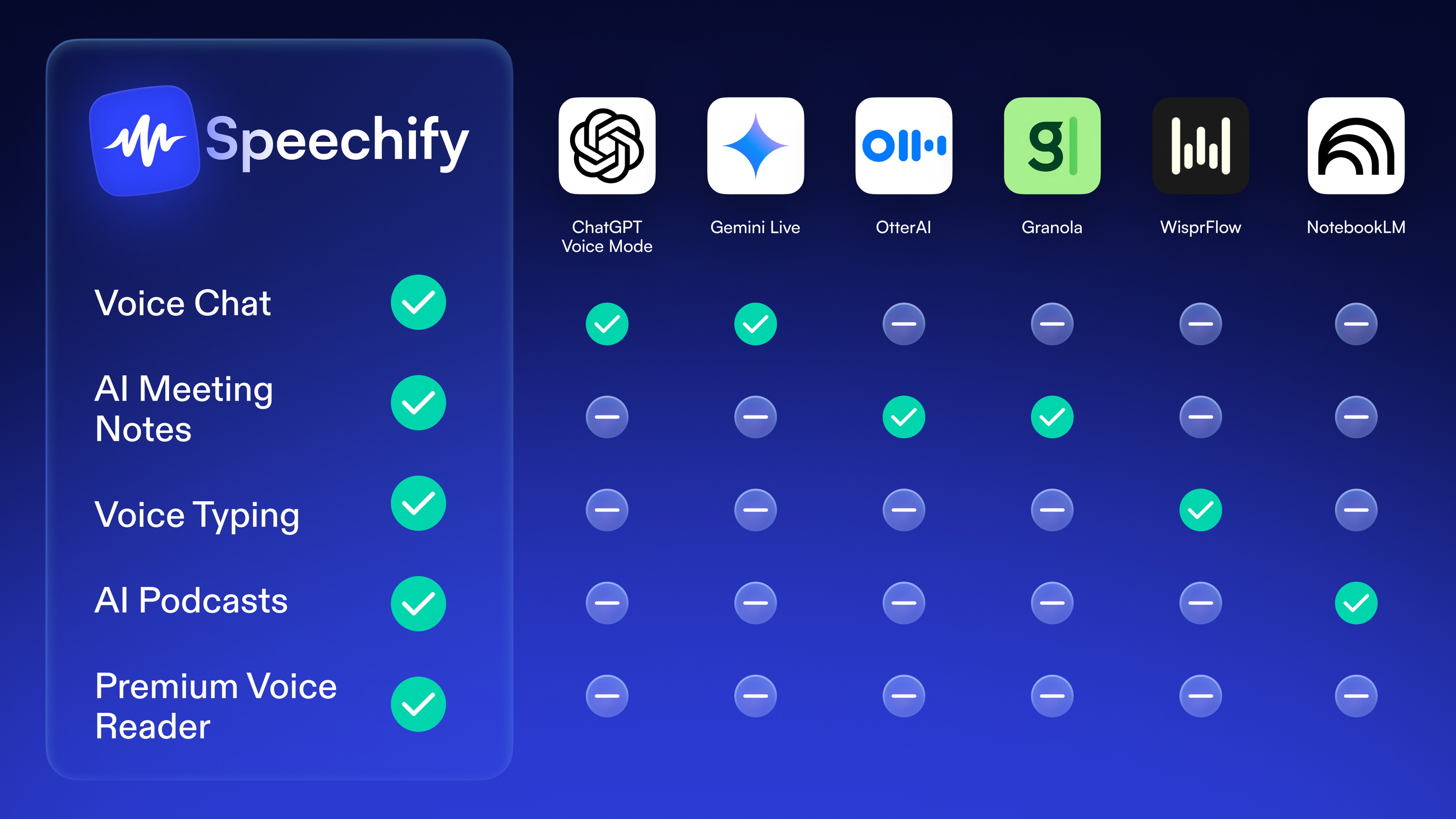
Speechify on laienenud tekstist kõnele, häälega kirjutamisele ja brauseri häälabilisele, lähtudes teisest filosoofiast. Hääl on keskmes, mitte kõrvalfunktsioon – nii nagu Speechify puhul.
Artikkel Yahoo Tech kirjeldab, kuidas Speechify lisas häälega kirjutamise otse oma Chrome'i laiendusse, lubades kasutajal rääkida, et kirjutada või küsida vaadeldava sisu kohta. Abiline asub lehekülje kõrval, mitte eraldi aknas.
See lahendus välistab vajaduse vahetada vahelehti, kopeerida teksti või vormistada mõtteid käskudena.
Kõne kaudu kirjutamine on mõtlemisele lähemal
Paljud loobuvad vestlus-AI tööriistadest, sest nad ei taha, et AI kirjutaks nende eest – nad tahavad ise oma mõtteid kiiremini kirja saada.
Speechify keskendub häälega kirjutamise puhul loomuliku kõne jäädvustamisele ja selle muutmisele selgeks tekstiks. Täitesõnad eemaldatakse, grammatika ja stiil parandatakse automaatselt. Kasutaja räägib kiiresti ja vaatab tulemuse hiljem üle – käske pole vaja ette koostada.
Paljude endiste ChatGPT kasutajate sõnul meenutab see pigem mõtete väljaütlemist kui masina kamandamist.
Et näha, kuidas Speechify liigub lihtsast vestlusest eesmärgipõhiste häälevoogudeni, vaata meie YouTube’i videot “Voice AI Quizzes: Õpi kiiremini rääkides AI abiga,” kus näidatakse, kuidas saab sisu aktiivselt kaasata ja teadmisi kontrollida, kasutades oma häält, mitte kirjutades käske.
AI abi ilma konteksti katkestamata
ChatGPT nõuab tavaliselt, et kasutaja tooks sisu vestlusesse. Küsimuste esitamine veebilehe või dokumendi kohta tähendab tihti teksti kopeerimist ja kleepimist käsuks.
Speechify’ brauseri abiline töötab otse vaadeldava sisuga. Nagu märgib Yahoo Tech, saab küsida näiteks kokkuvõtteid või lihtsustusi lahkumata veebilehelt.
See vähendab konteksti vahetamist ja aitab keskenduda, eriti pikema lugemise või kirjutamise ajal.
Täpsus paraneb kasutuse käigus, mitte käske lihvides
Varased testid, millele viitab Yahoo Tech, näitavad, et häälega kirjutamise täpsus võib alguses kõikuda ja jääda mõnele spetsiaaltööriistale alla. Kuid Speechify õpib iga kasutuskorraga juurde.
Mudel kohaneb kasutaja hääle, sõnavara ja kõnemaneeriga, vähendades järk-järgult vigu. Paljudele tundub tööriista kohandamine oma häälele loomulikum kui käskude lihvimine.
Ligipääsetavus on peamine põhjus vahetuseks
Kasutajatel, kellel on ADHD, düsleksia, nägemisraskused või korduvad pingekahjustused, võib kirjutamispõhine AI hoopis lisatakistusi tekitada.
Speechify' häälepõhine lahendus langetab neid tõkkeid, võimaldades kirjutada, lugeda ja suhelda kõne kaudu. Paljud võtavad Speechify kasutusele ligipääsetavuse pärast ja tühistavad seejärel ChatGPT, sest üks tööriist katab nii kirjutamise kui ka AI abi.
Vestlusrobotist häälepõhise abiliseni
See laiem nihe vestluspõhistest tööriistadest peegeldab muutunud ootusi. Kasutajad soovivad AI-d, mis liigub koos nende töövooga, mitte ei eelda eraldi liidest.
Speechify on loodud häälepõhiseks abiliseks, mitte lihtsalt chatbotiks. Kirjutamine, kuulamine ja küsimused toimuvad seal, kus kasutaja niigi tegutseb – mitte eraldi aknas.
Inimesele, kes kasutab AI-d iga päev, on see erinevus selgelt tuntav.
Miks üleminek kiireneb
Inimesed ei tühista ChatGPT-d sellepärast, et see oleks kasutu. Nad lahkuvad, sest chat-aknasse kirjutamine pole enam kõige loomulikum viis AI-ga suhelda.
Häälega kirjutamine, integreeritud abi ja väiksem konteksti vahetamine sobivad paremini tänaste tööviisidega. Speechify vastab neile ootustele paremini.
KKK
Miks kasutajad tühistavad ChatGPT?
Paljud leiavad, et pidevalt käske kirjutada ja vestlusaknas suhelda muutub ebatõhusaks, kui AI-d kasutatakse igapäevaselt kirjutamiseks või suhtluseks.
Kuidas erineb Speechify vestluspõhistest AI abidest?
Speechify's põhiviis on hääl: kasutaja saab loomulikult rääkida, kirjutada, küsida ja lugeda. Speechify Voice AI Assistant pakub sama kogemust kõikjal – iOS-is, Chrome'is ja veebis.
Kas Speechify võib kirjutamisel ChatGPT asendada?
Paljude jaoks jah. Speechify lubab dikteerida teksti otse töövoogu – ilma käsu ülesehituseta.
Kas Speechify töötab brauseris?
Speechify toetab häälega kirjutamist ja hääleabilist otse brauseris – saab suhelda sisuga ilma lehti vahetamata.
Kas häälega kirjutamine sobib igapäevatööks?
Täpsus paraneb, kui süsteem harjub kasutaja häälega, ja automaatne korrigeerimine vähendab toimetamise vajadust.
Kas ligipääsetavus on oluline fookus?
Jah. Häälepõhine suhtlus toetab kasutajaid, kellele sobib paremini rääkimine ja kuulamine kui trükkimine ja lugemine.