Reading is no longer just a visual activity. With AI read aloud tools, anyone can turn written content, such as articles, PDFs, ebooks, emails, or even a single webpage, into natural-sounding audio in seconds. And the research backing this shift is stronger than most people realize. This guide covers what AI read aloud actually is, what the science says about its impact on comprehension, the main use cases, why voice quality matters, and how to pick the right tool.
What is AI Read Aloud?
AI read aloud technology uses artificial intelligence to convert written text into spoken audio through lifelike synthetic voices. Unlike the robotic screen readers common in the early 2000s, modern AI read aloud tools rely on deep neural networks to create voices with natural rhythm, realistic intonation, and even emotional text to speech capabilities that adapt tone based on the content being read. These tools can be used in a variety of ways, including listening to articles while commuting or exercising, having research papers, textbooks, or PDFs read aloud while taking notes, converting long-form blog posts into audio, supporting people with dyslexia, ADHD, or visual impairments, and helping users work through email backlogs while multitasking.
What does the Research Say About AI Read Aloud Tools and Comprehension?
The evidence that listening aids understanding is substantial, and growing as TTS voices improve. A meta-analysis of 22 studies involving 2,942 participants found TTS tools improve reading comprehension with a statistically significant effect (d̄ = .35, p < .01). For modern TTS systems, the effect is even stronger (d̄ = .54)." Because of this, text to speech and related read aloud tools are being widely implemented in an attempt to assist students' reading comprehension skills.
What do Real-world Studies of AI Read Aloud Tools Show?
University-scale studies show similar comprehension improvements in applied settings. Results of the MultiModal Campus Project show that ReadSpeaker users experienced significant improvements in memorization (25.2 %) and reading comprehension (24.5%). That 24% comprehension lift mirrors findings from controlled experiments. This study investigated the reading comprehension scores of students with reading and language difficulties after reading a passage with and without text-to-speech (TTS). Students, ages 8 to 12 years, read five passages under the following conditions: (a) silent read, (b) read aloud, (c) listen only, (d) TTS with no highlighting, and (e) TTS with highlighting. Students answered multiple-choice comprehension questions following each condition. TTS significantly improved comprehension in comparison to no TTS, and specifically, TTS with no highlighting and TTS with highlighting resulted in significantly higher comprehension scores compared to silent reading.
Why AI Voice Quality Matter?
Not all AI voices deliver the same comprehension gains. The naturalness, prosody, and emotional range of the voice meaningfully shape how well listeners understand and retain content. For example, a large-scale audiobook study found that listeners enjoyed stories narrated by a human voice more than a synthetic one. Also, they created more mental images, were more engaged, paid more attention, had a more positive emotional response, and remembered more. The takeaway is simple: the better the voice, the more brainpower you have left over for understanding the actual ideas. This is why neural TTS systems, like the ones used in Speechify, tend to outperform older robotic engines in both comfort and learning outcomes.
What are the Main Use Cases for AI Read Aloud?
"AI read aloud" is a broad intent, and different formats benefit in different ways. Here are the most common use cases — each with a dedicated deep-dive guide.
- Reading PDFs Aloud: AI read aloud tools can parse complex PDF layouts (including columns, footnotes, and citations) such as in research papers, textbooks, contracts, and financial reports and read them in a natural voice while highlighting the text in sync.
- Reading Web Pages Aloud: Whether it's a long-form article, a news story, or a Wikipedia entry, you can listen to any webpage by using a browser extension or a built-in read-aloud feature. It's the fastest way to triple the volume of articles you actually finish each week.
- Reading Documents, Notes, and Emails: AI read aloud also works on Google Docs, Word files, Notion pages, and Gmail, which is useful for proofreading, multitasking, or simply giving your eyes a break.
What Should I Look for in an AI Read Aloud Tool?
Based on the research above, here are the criteria that actually matter:
- Voice naturalness - Directly impacts comprehension and listening fatigue
- Emotional/expressive delivery - Better engagement and recall on long content
- Format support - Must handle PDFs, web pages, ebooks, and docs
- Speed controls - Listeners process at different optimal rates
- Highlighting/sync - Boosts comprehension by pairing audio with visual text
- Language coverage - Multilingual support for global users
- Voice cloning - Personalization for branded or familiar voices
How can AI Read Aloud Help Different Audiences?
AI read aloud technology can benefit a wide range of users by making written content more accessible, flexible, and easier to consume. Students can use it to process textbooks, research papers, and journal articles more efficiently while taking notes. Professionals can listen to reports, briefs, and emails during commutes or while multitasking, helping them stay productive throughout the day. For people with dyslexia or ADHD, AI read aloud can reduce cognitive load and improve focus by turning dense text into easier-to-follow audio. Visually impaired users may also benefit from more natural, less fatiguing voices compared to traditional screen readers. Language learners can pair spoken audio with written text to improve pronunciation, listening comprehension, and vocabulary retention. Even casual readers can use AI read aloud to transform reading lists, articles, and saved content into a personalized podcast-like listening experience.
Why does Speechify Stand Apart from Other AI Read Aloud Tools?
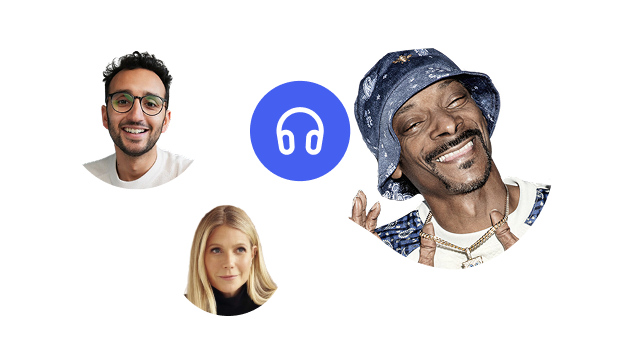
Speechify isn't just another robotic read-aloud app; rather, it's a full AI productivity platform built around the most natural-sounding voices on the market. You get 200+ lifelike AI voices across 60+ languages and accents (including celebrity voices like Snoop Dogg and Gwyneth Paltrow) that are virtually indistinguishable from human speech, with playback up to 4.5x and synchronized word-by-word highlighting that boosts retention. Built-in OCR lets it read anything from PDFs scanned books, and physical pages snapped with your phone to webpages, emails, Google Docs, EPUBs, and even handwritten notes. On top of that, Speechify bundles features no other TTS app offers: AI Summaries, AI Quizzes, a conversational Voice AI Assistant, AI Podcasts that turn any document into a two-host show, and unlimited Voice Typing for dictation. It all syncs seamlessly across iOS, Android, Mac, Windows, Chrome, and Edge, so where other apps just give you a voice, Speechify gives you a tutor, researcher, podcast producer, and study buddy in one.
FAQ
What is the best AI read aloud app?
Speechify is widely considered one of the best AI read aloud apps thanks to its natural neural voices, broad format support, and availability across web, mobile, and browser.
Can AI read PDFs aloud?
Yes, Speechify can read PDFs aloud, including research papers and textbooks, with natural voices and synchronized text highlighting.
How do I get a webpage read aloud to me?
Install the Speechify browser extension and click the play button on any webpage to have it read aloud instantly in a natural voice.
Is there a free AI read aloud tool?
Yes, Speechify offers a free plan that lets you listen to articles, PDFs, and documents with high-quality AI voices.
Can AI read aloud help with dyslexia?
Yes, Speechify is widely used by people with dyslexia and ADHD because listening reduces decoding load and improves comprehension and focus.
What's the most natural-sounding AI voice for reading aloud?
Speechify's neural voices are among the most natural-sounding options available, with realistic prosody and emotional delivery that reduces listening fatigue.
Can I listen to ebooks with AI narration?
Yes, Speechify can convert EPUB files and other ebooks into AI audio, effectively turning any ebook into a personal audiobook.
Does AI read aloud work on iPhone and Android?
Yes, Speechify is available as a mobile app on both iOS and Android, so you can listen to documents, PDFs, and articles anywhere.
Can AI read aloud emails for me?
Yes, Speechify can read Gmail and other email content aloud, making it easy to clear your inbox while commuting or multitasking.
How fast can I listen with AI read aloud?
Speechify lets you adjust playback speed up to 4.5x, so you can comfortably consume content at whatever pace works best for you.